

The Mysterious Ark in Scripture and Film
In the film Raiders of the Lost Ark, Dr. Indiana Jones is on quest to locate the Ark of the Covenant before the Nazis do. But according to history and the Bible, what happened to the actual Ark?

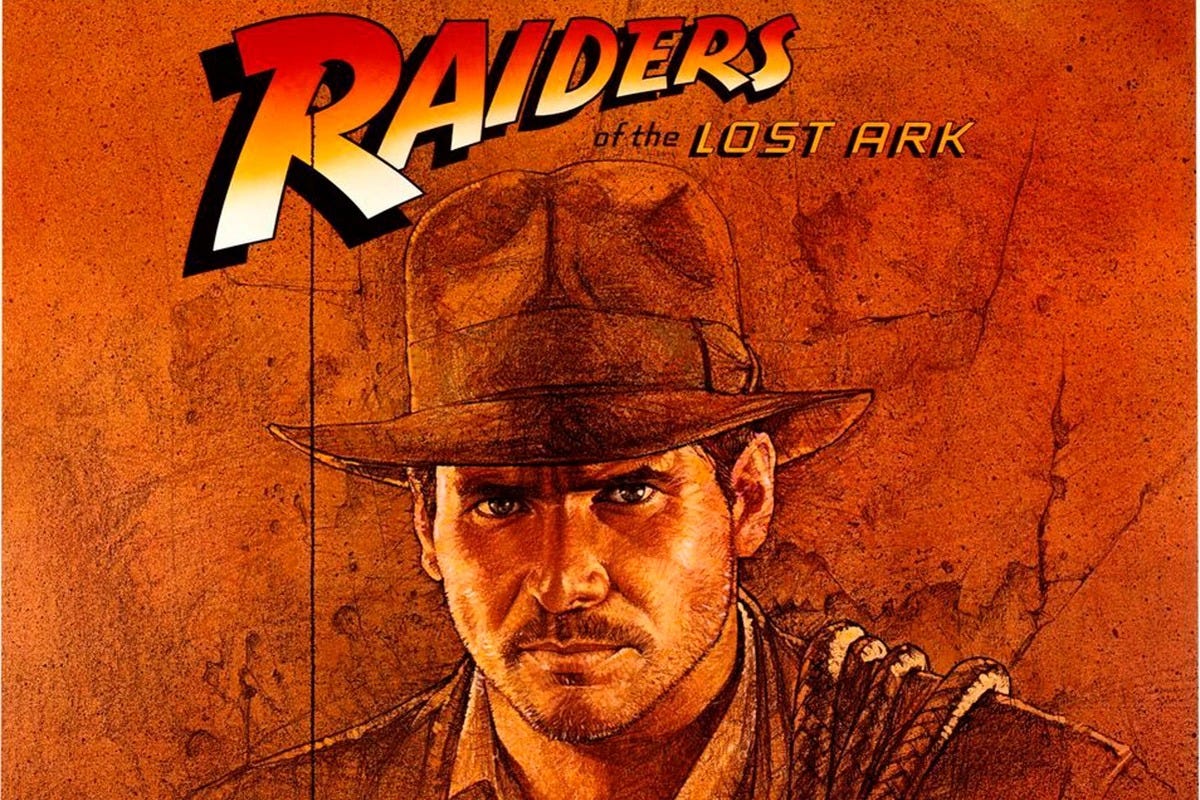
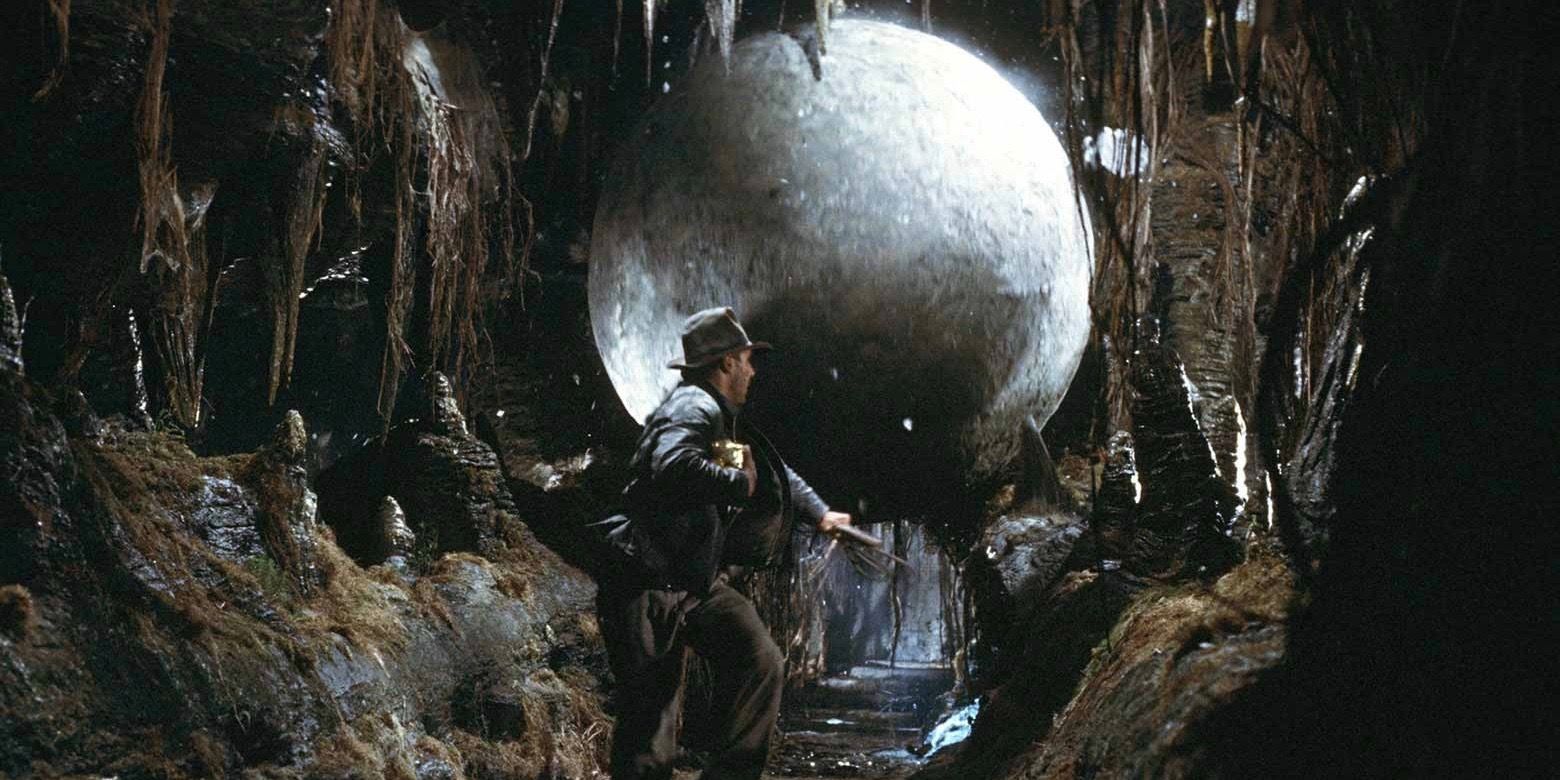
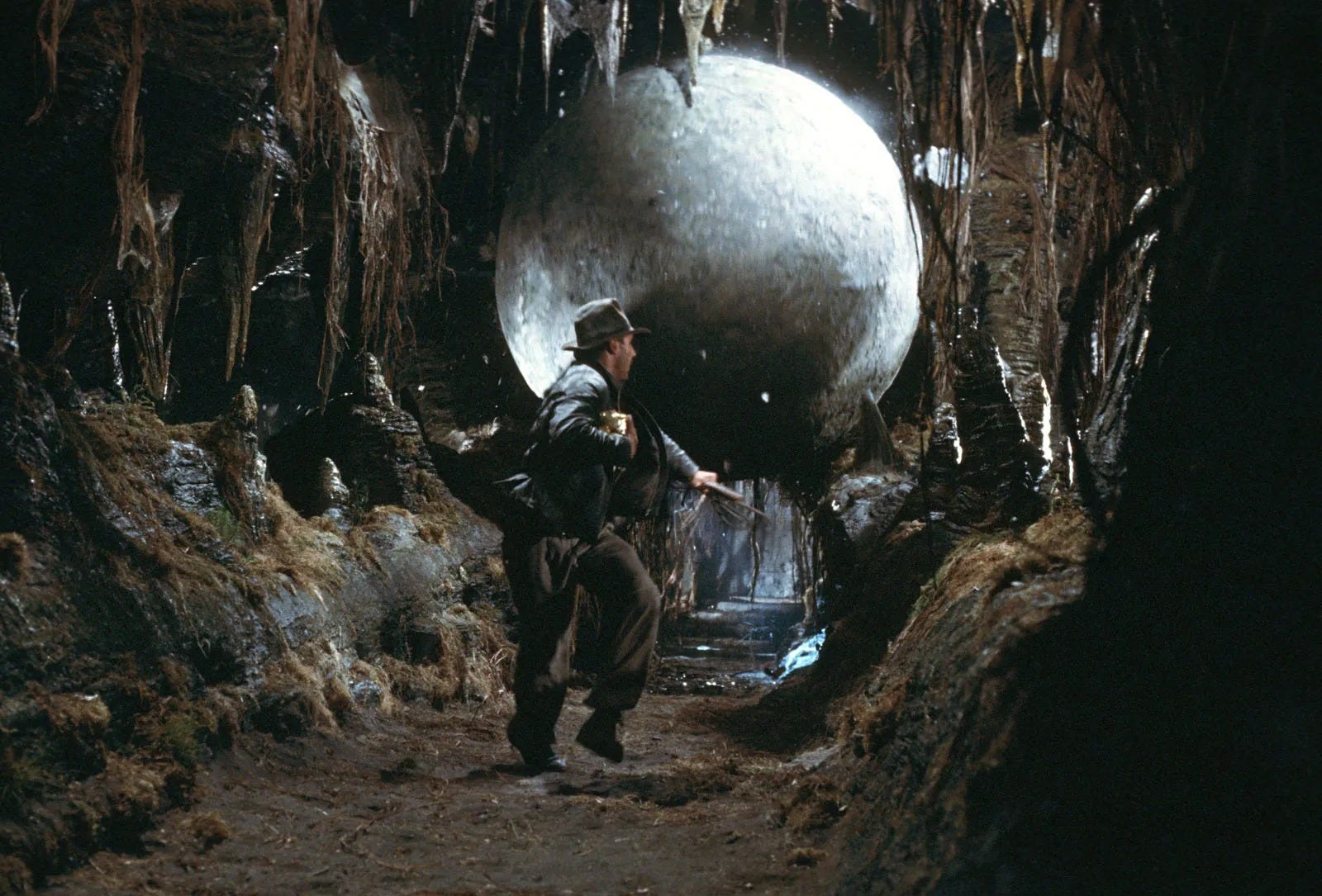
Forty-five years ago, Paramount screened Raiders of the Lost Ark in theaters. Produced by George Lucas and directed by Steven Spielberg, the film was a phenomenal success. Starring Harrison Ford as archaeologist and tomb robber Indiana Jones, along with Karen Allen as sidekick Marion Ravenwood, Raiders presented a pseudo-historical adventure with the ancient Israelite Ark of the Covenant as the narrative plot device. Set in 1936, tension grips the audience at the beginning, when Jones narrowly escapes a booby-trapped cave while being chased by an enormous rolling boulder as the scene’s crescendo.
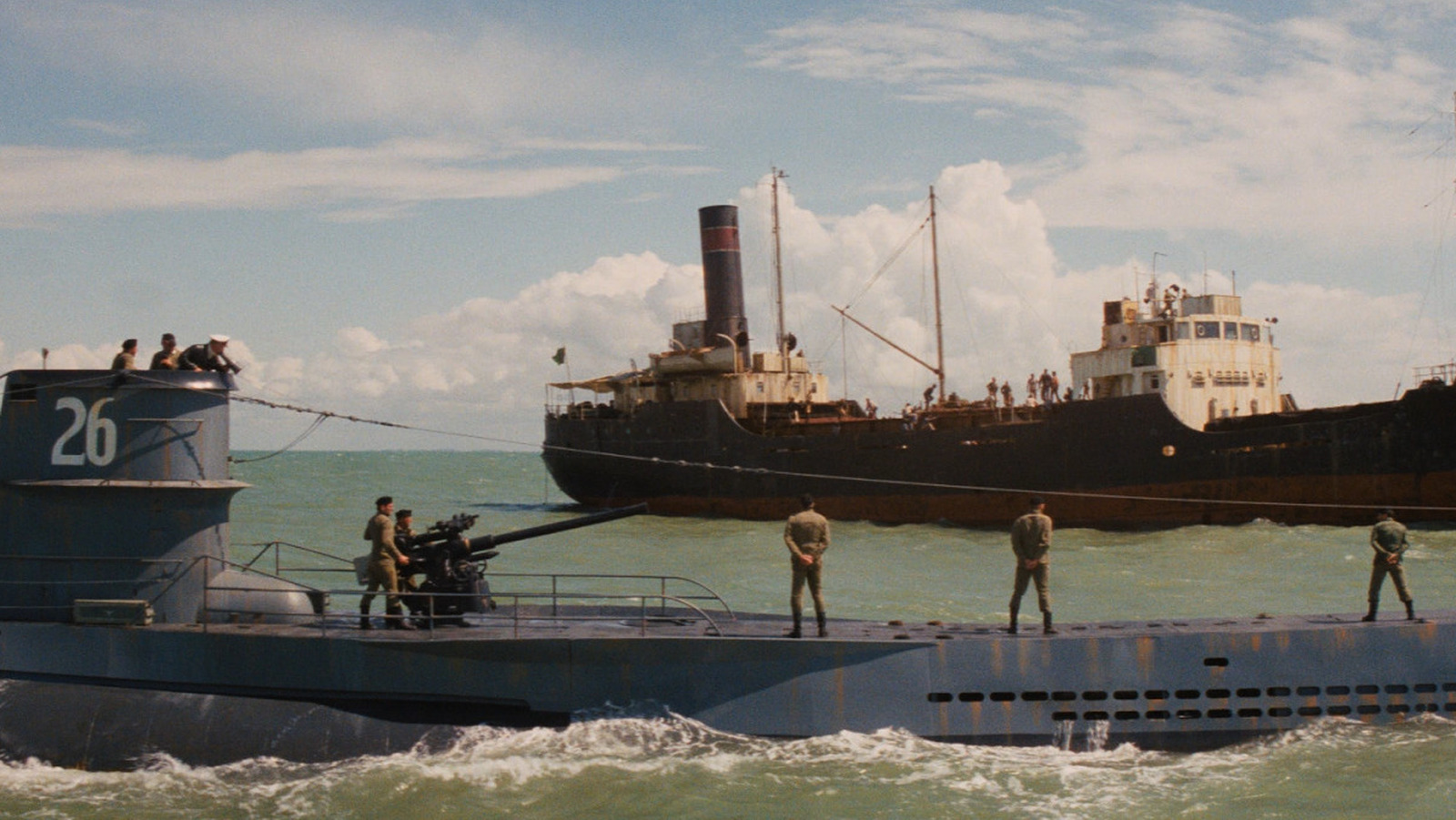
Later, when he is back teaching college classes, Jones meets with federal agents who implore him to find the Iron Age relic – presumably located in Tanis, Egypt – before Nazi leadership can exploit its supposed occult powers in an attempt to conquer the world. What follows is a series of exciting yet humorous madcap escapades involving sleuth, search, chase and escape scenes that offer barely sufficient credulity to permit audiences a suspension of disbelief – unlike the lesser sequel entitled Temple of Doom (released in 1984). Jones eventually finds the Ark, only to have the Nazis seize his prize along with Marion. Jones then foils Nazi plans of aerial transport and loads the Ark onto a tramp steamer. Intercepted near port, a type VII German U-boat crew commandeers the Ark and Marion, while Jones surreptitiously swims aboard.
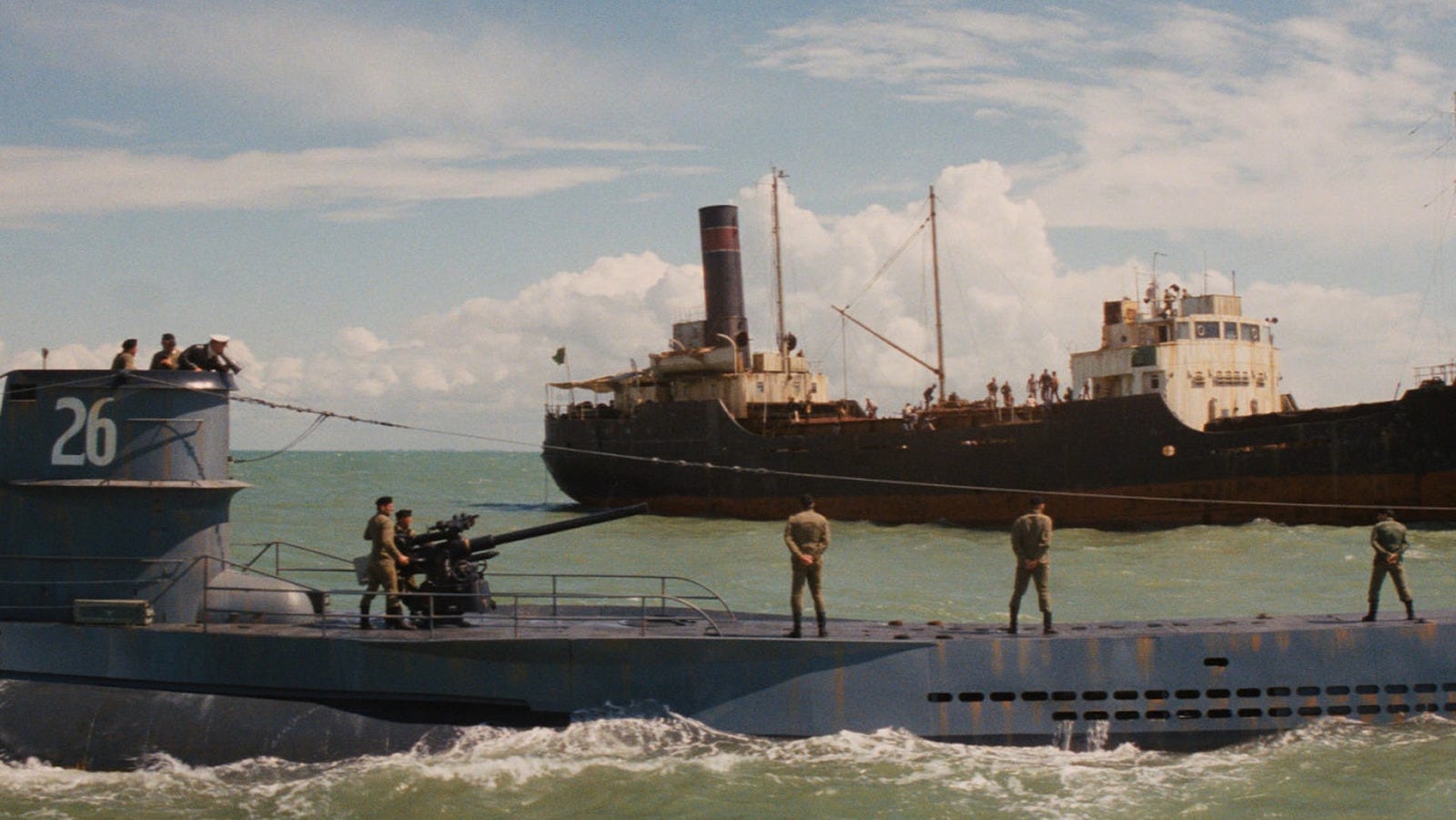
Near the conclusion of the film, the Nazis disembark at Geheimhaven (German for “secret haven”) supply depot located on an Aegean island for the purpose of verifying the Ark’s supernatural authenticity. The Ark obliges by killing all participants, save Jones and Marion. Perhaps it was Ronald Reagan who inspired the movie’s pitch perfect finalé – a man pushing a priceless icon within an unmarked crate inside a cavernous government warehouse; to be forgotten over time in permanent storage.


The Ark in Scripture and History
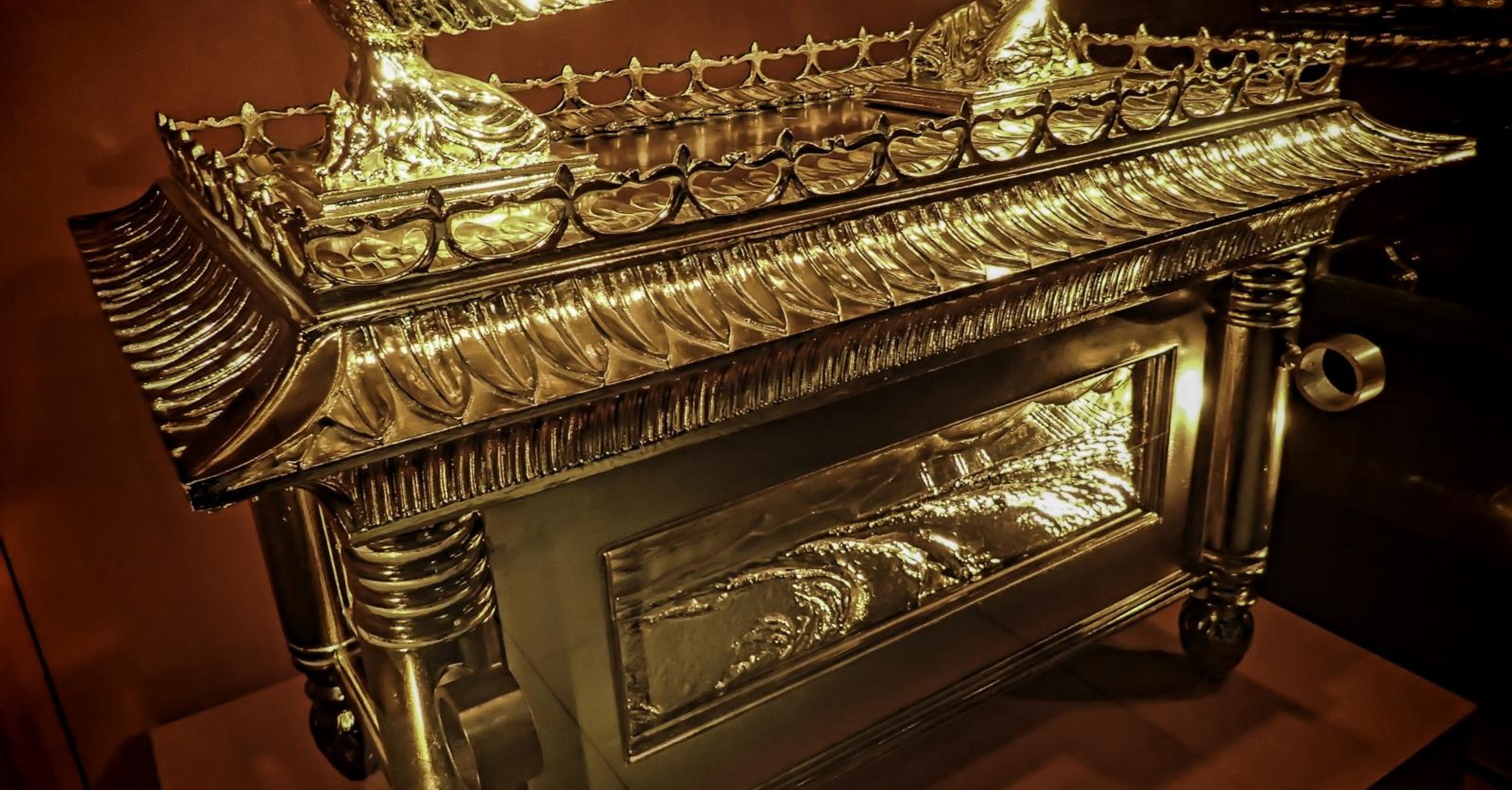
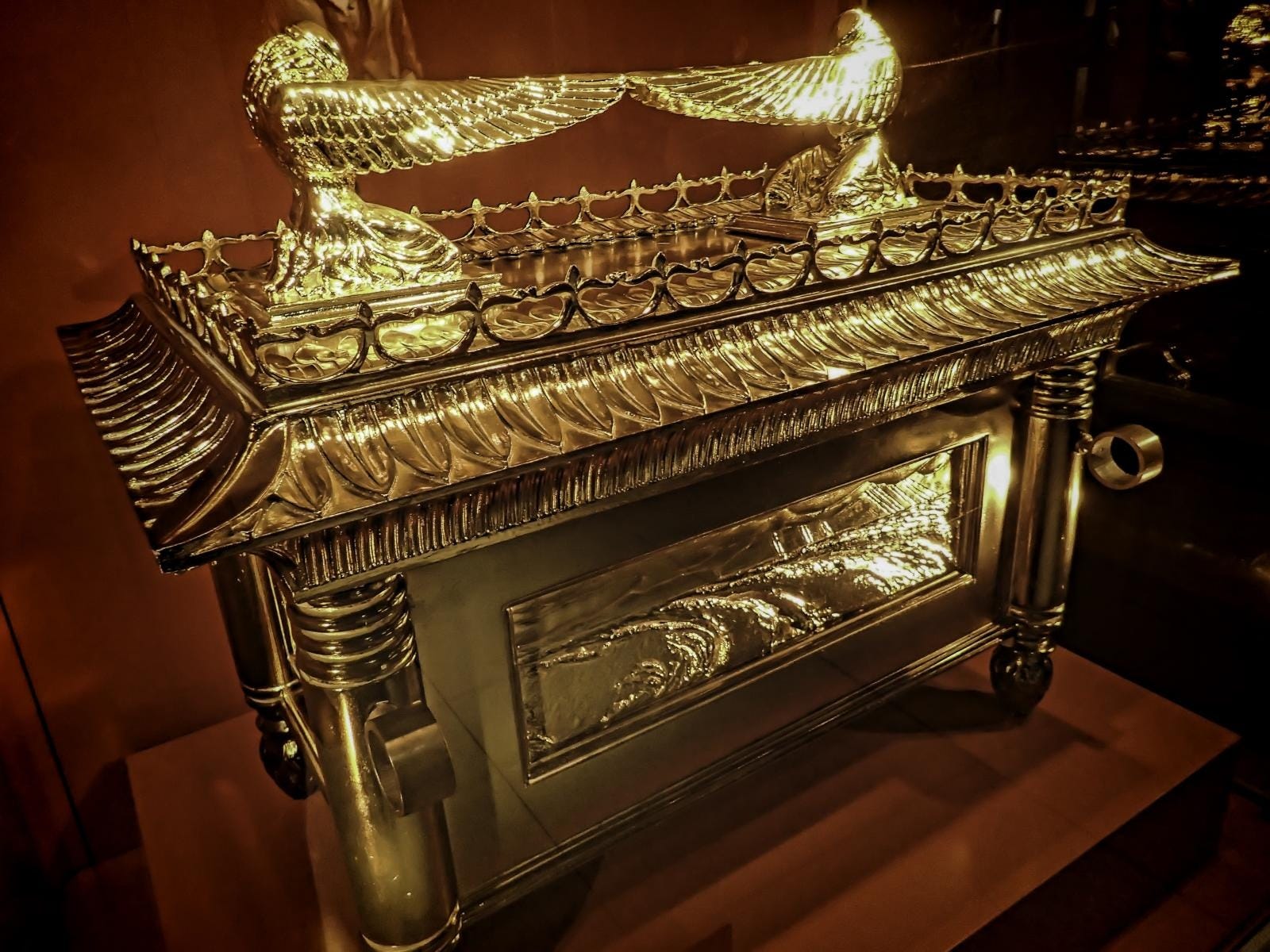
But what about the real Ark? The Bible in Exodus 25:10-22 reports Moses commissioning the Ark’s construction to contain the Ten Commandments during the tribes sojourn from Egypt. Configured as a box of acacia wood and plated with gold, the Ark had a square cross-section of 31 inches in breadth and height, along a length of 52 inches. To facilitate transport, four rings were attached to the corners. Topped with winged cherubim, World History Encyclopedia models an artist’s conception below.
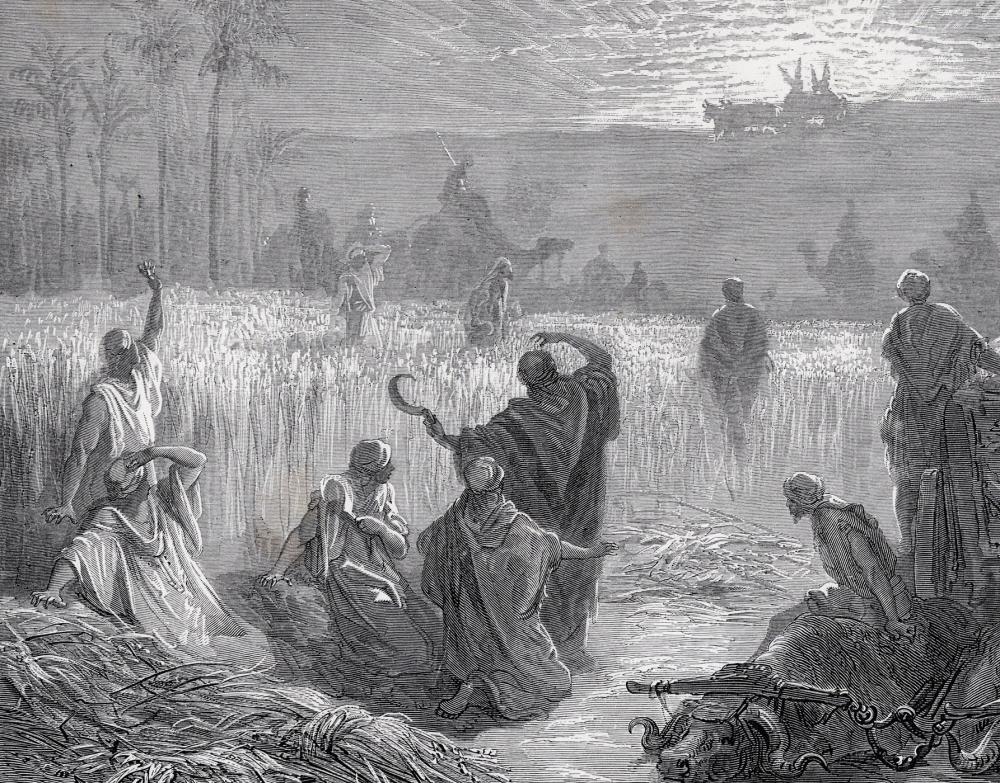
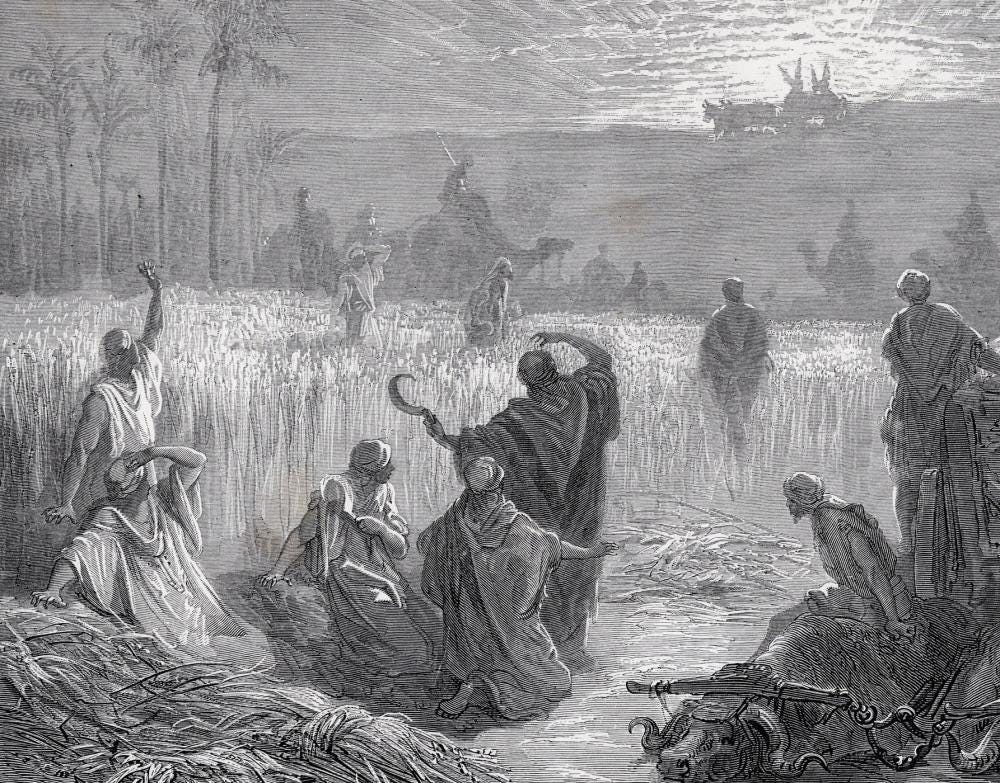
After driving out the Canaanite inhabitants from the hilly regions following the Late Bronze Age collapse, the Ark moved from Mount Ebal (Joshua 8:30-33) to Bethel (Judges 20:26-27) and then to a tent in Shiloh (1 Samuel 3:3), followed by its capture by the Philistines (4:11) at Aphek. Upon its return to Beth Shemesh (6:13-15) and repository at Kiriath Jearim (7:1-2; 1 Chronicles 13:6), the Ark was brought to Gibeah (14:2,18) for battle before being moved to Jerusalem (2 Samuel 6:12; 1 Chronicles 15:3). Gustave Doré illustrated the Ark’s arrival in the woodcut below.
Following completion of Solomon’s temple, the priests deposited the Ark into its inner sanctuary (1 Kings 8:6; 2 Chronicles 5:7). After sponsoring temple repairs (2 Kings 22:3-6; 2 Chronicles 34:8-11), Josiah had the Ark returned to the temple (2 Chronicles 35:2) from its previous but undisclosed storage. In Jeremiah 3:16, the beleaguered prophet laments that the Ark will ultimately be forgotten after Babylon conquers the Judean capital (in 587 BC).
Nonetheless, 1 Esdras 1:54 (from the Septuagint) lacks any mention of the Ark’s inclusion among Babylonian temple pillage, and 1 Kings 24:13 offers even less detail. Apart from an apocryphal account (2 Maccabees 2:4-5) of Jeremiah hiding the Ark in a cave on Mount Nebo (Deuteronomy 34:1), the scriptures remain silent on the Ark’s ultimate status. Still, one can reasonably assume that the object suffered its demise during or after Jerusalem’s carnage.
The Mystery of the Ark’s Final Location
If the Ark is not on Mt. Nebo and had been spirited out of Judea before Jerusalem fell, where might it have been taken? Diaspora Jews had established a presence on Elephantine Island on the Nile, and built a temple in the sixth century BC, which was subsequently destroyed. Records on this temple are sparse, so absence of its temporary presence seems inconclusive.
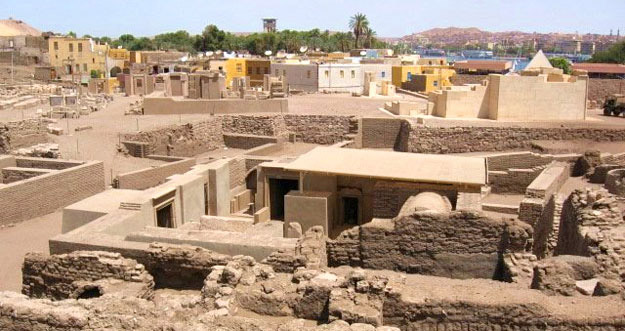
British journalist Graham Hancock speculates in The Sign and the Seal (1992) that priests transported the Ark to Elephantine during Manassah’s counter-reform in the early seventh century (before Josiah’s reign). This policy presumably had been prompted to appease Assyria following contentious animosity from his father Hezekiah (2 Kings 18:13-16; 2 Chronicles 32:1-2; Isaiah 36:1-6).
According to Hancock, after that temple’s demise, the Ark relocated to Tana Qirqos island on Lake Tana for several centuries before ultimately coming to rest at Axum, Ethopia in the Church of Our Lady Mary of Zion, shown in a photograph by Adam Cohn. Few take Hancock’s conclusions seriously, which perhaps may be just as well for, if confirmed, would likely attract utter ruin to that elusive remnant of history.

At any rate, Raiders remains an enjoyable film to re-watch, even if the Ark is truly lost and never to be found.
Photo Credit- Town Square Media, Archeology Wiki, Wikimedia Commons, World History Encyclopedia and IMBD.
 | A guest post by
|