

The Abortion Discussion: Does the Bible Address “Pro-Choice”?
When it comes to the abortion debate many pro-choice adherents, in their arguments with Christians, will claim the Bible is silent on the issue of "choosing" abortion. But is it?

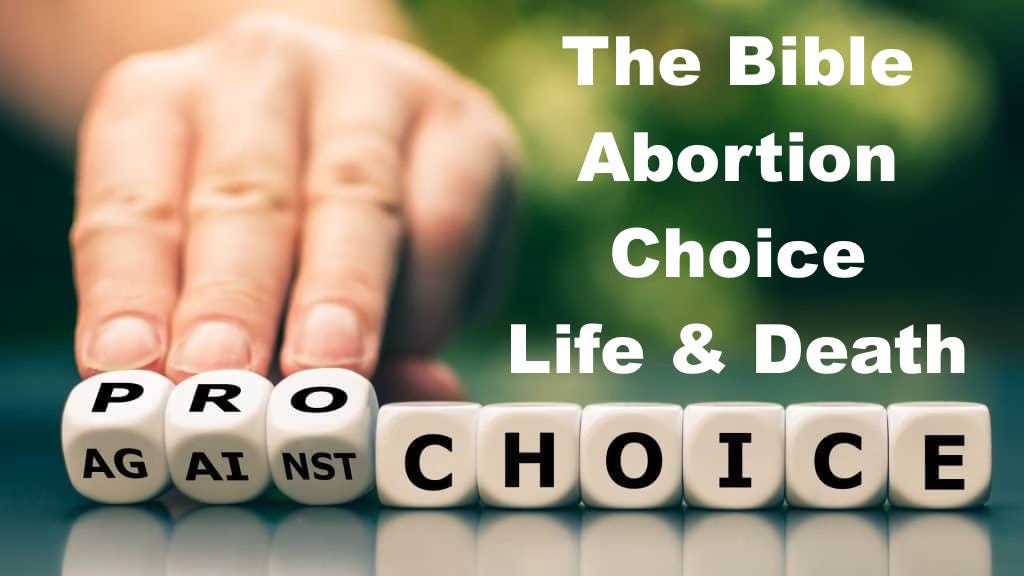
While choosing to ignore the age-old Biblical truth found in Ecclesiastes 1:9 that “Nothing is new under the sun,” it is often argued by many that the Bible does not provide adequate guidance on some of our present-day issues, thus conveniently leaving us to decide these issues for ourselves. But considering the issue of abortion, is it possible that even though the Bible was written thousands of years ago, it might still address the seemingly modern idea of being “pro-choice”?
As surprising as it may sound to some, the answer is yes.
The Pro-Choice Movement
The term “Pro-choice” emerged in the mid-1970s as a direct counter to the Pro-life movement. It describes a political, legal, and social campaign that is aimed at preserving women’s access to abortion. The main focus of the movement has been the legalization of, and the continued future ability for women to obtain, elective terminations of a pregnancies.
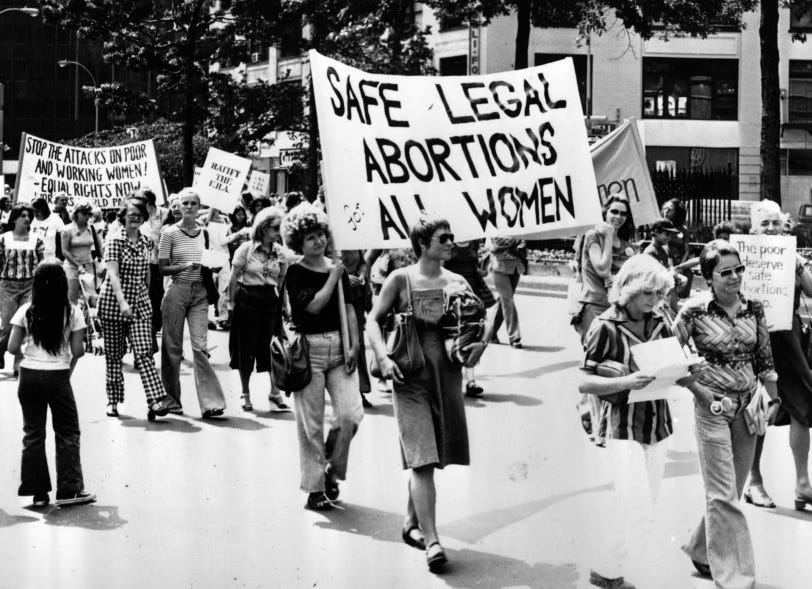
While appearing straightforward and logical to a large portion of the population, the “Pro-choice” slogan actually has several significant flaws. First, it incorrectly implies that its opponents are against allowing people to have the ability to choose, and that those on the other side of the issue are against freedom and liberty. Second, it implies that humans are free to choose any type of action or behavior that they can dream of and/or desire, which we know is not permitted (as our country’s prison system and extensive criminal statutes evidence). Third, the slogan is disingenuous in suggesting that all choices should be available for a person’s free-will selection, when instead the movement’s leaders have repeatedly elevated the choice of ending a pregnancy above choices that allow life to continue.
Clarifying the Choices
An additional flaw of the “Pro-choice” label is that it is not inherently clear exactly what “choice” the statement is referencing (which is most likely intentional). Confusion is inevitable due to the fact that there are multiple layers of choice involved in the human reproductive lifecycle, which are clarified below:
The human choice to engage (or not engage) in reproductive activities, which may or may not result in a child. The freedom to reproduce (i.e., the concept of “reproductive freedom”) applies to this step (and this step only).
God, the Creator, determines whether or not new life will be introduced into the world (i.e., at this stage, the “choice” belongs to God alone, as no human being is involved in this part of the decision-making process).
Then, in the event that reproduction does occur, there is…
An additional human choice of determining and selecting the next steps, which involves the important choice to either continue a life, or to end it (note: given that reproduction has already taken place prior to this step, the concept of “reproductive freedom” does not apply here.)
How Does the Bible Address Choice?
From a Biblical perspective, the issue of the “choices” available to men and women which are related to reproduction is spelled out clearly.
The thought process can be described as follows:
Step 1: Free will
Free will choice is an amazing gift from God:
When God…created man, he made him subject to his own free choice. If you choose you can keep the commandments…There are set before you fire and water; to whichever you choose, stretch forth your hand (Sirach 15:14-17).
Step 2: God (not Man) Creates Life
God, not people, is the one who “gives to everyone life and breath” (Acts 17:25). Our heavenly Father has exclusive control over the matter of the introduction of new life:
Children of God…who were born not by natural generation nor by human choice nor by a man’s decision but of God (John 1: 12-13) (emphasis added).
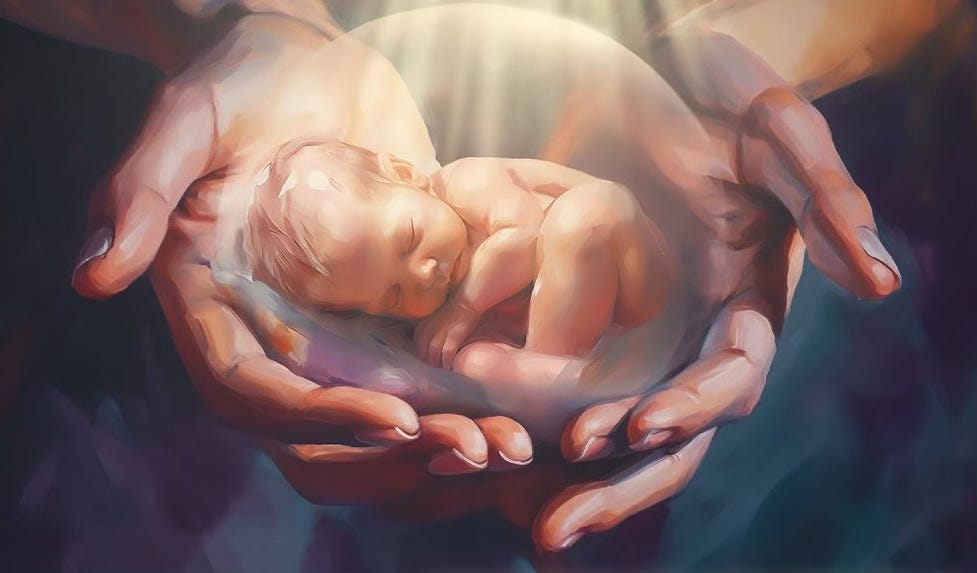
This underappreciated and seldom discussed passage reminds us that men and women, although they are integral to the process of introducing new life, are not themselves gods and do not “create” or “manufacture” the life of a child. We are similarly reminded that the creation of life is not attributable to “Mother Nature,” meaning it does not come to exist automatically from the science of biology and without the Creator’s involvement (which eventually gifts a human body with a soul). Lastly, and most relevant to this discussion, after a couple engages in reproductive activities that eventually leads to a pregnancy, life also does not come to exist as a result of the “choices” of human beings (whether we like it or not, after reproductive choices in Step 1 have been made, humans do not have the ability in Step 2 to choose whether a new life is formed). While there is no denying that men and women are directly involved in the reproductive process, they are nevertheless just mere participants at this stage in the reproductive lifecycle. In other words, throughout this specific step, there are no “choices” for humans to make.
In the event that life does come into existence the relevant individuals move on to play another role, which is initially only as mere observers to items such as the child’s biological sex, health, etc. However, it is in this next step where men and women are soon presented with an additional choice—a very important one.
Step 3: Free Will and the Choice of Life or Death
Despite human choice not being relevant to Step 2, the concept of “free will” does allow men and women to make choices on important issues that deal with life and death:
Before man are life and death, whichever he chooses shall be given him (Sirach 15:14-17).
In other words, after God has created a new life, people are given the opportunity to make a free will choice with regards to the life that they share responsibility for bringing into the world. But while people are free to make their own choices (even those that are against God’s will), we know that God desires men and women to make the right choices. This is unequivocally true in cases where human life is involved, which the following passage makes clear:
I have set before you life and death…Choose life, then, that you and your descendants may live” (Deuteronomy 30:19) (emphasis added).
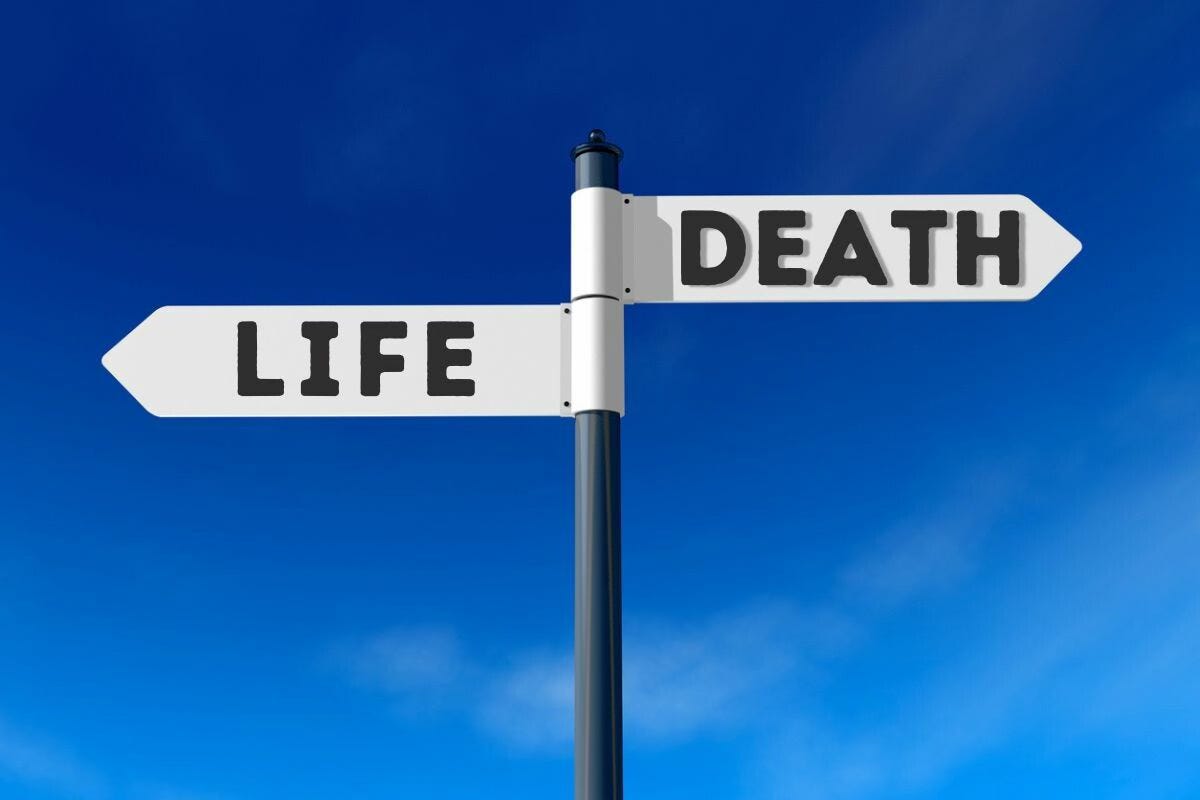
In other words, while human beings have been gifted with free will and the freedom to choose to decide whether or not to continue a new life that has begun (both on behalf of themselves, and on behalf of those who are temporarily or permanently dependent on them), God’s Word is crystal clear.
The Most Important Choice
Although free will does permit men and women to choose to do whatever they want, they do not have control over everything. And while people are free to make their own choices, the concept of choice is not a “blank check” that everyone else—including God—must be forced to sign.
The next time you hear the term “pro-choice,” don’t simply think of the abortion decision as a ‘yes’ or ‘no’ question. Instead, remember the free-will human choices that were made which led to new life, and also acknowledge the choice that God alone makes to bring new life into existence. Finally, think also about the most important decision in the process—the choice between life and death.
Photo Credits- International Christian News, New York Post, YouTube and Faith and Hope Church.