

Remembering Pope Francis and his Legacy
How will the pontificate of Pope Francis be remembered? That will depend on who you ask. Here are some reflections on his papacy from six of our writers at The Everyman.


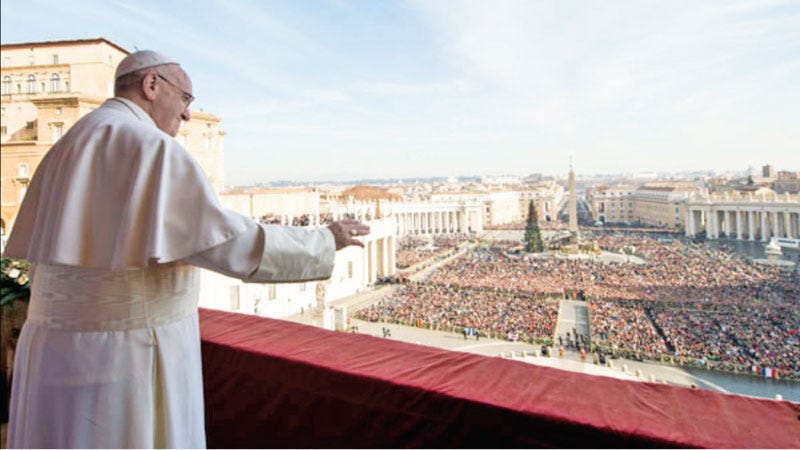
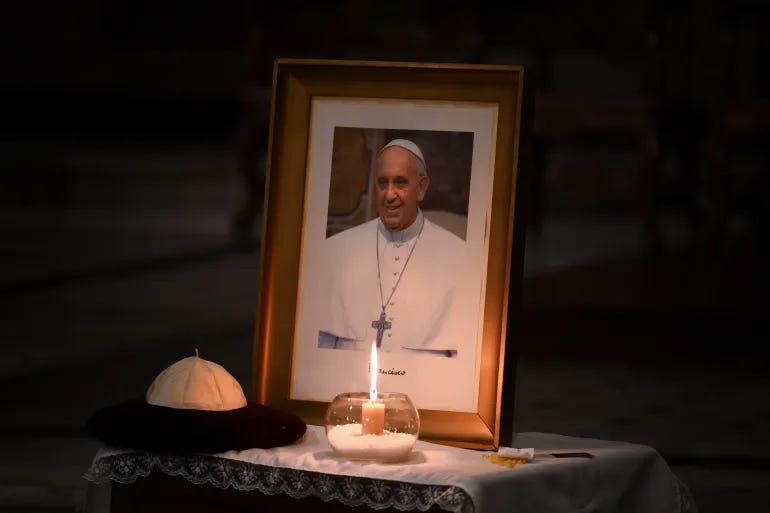
Now that Pope Francis has been laid to rest at that Basilica of St. Mary Major and the Church awaits the beginning of the conclave to pick his successor, it seems fitting to offer up some final reflections on his pontificate. We asked a few of our contributors—five Catholics and one Lutheran minister—to look back at his thirteen-year reign and provide their own thoughts on the legacy of the 266th successor of St. Peter, as well as to look forward to what future might hold for the Church and the next pope.
A Consistent Defender of Life by Bradley Shumaker
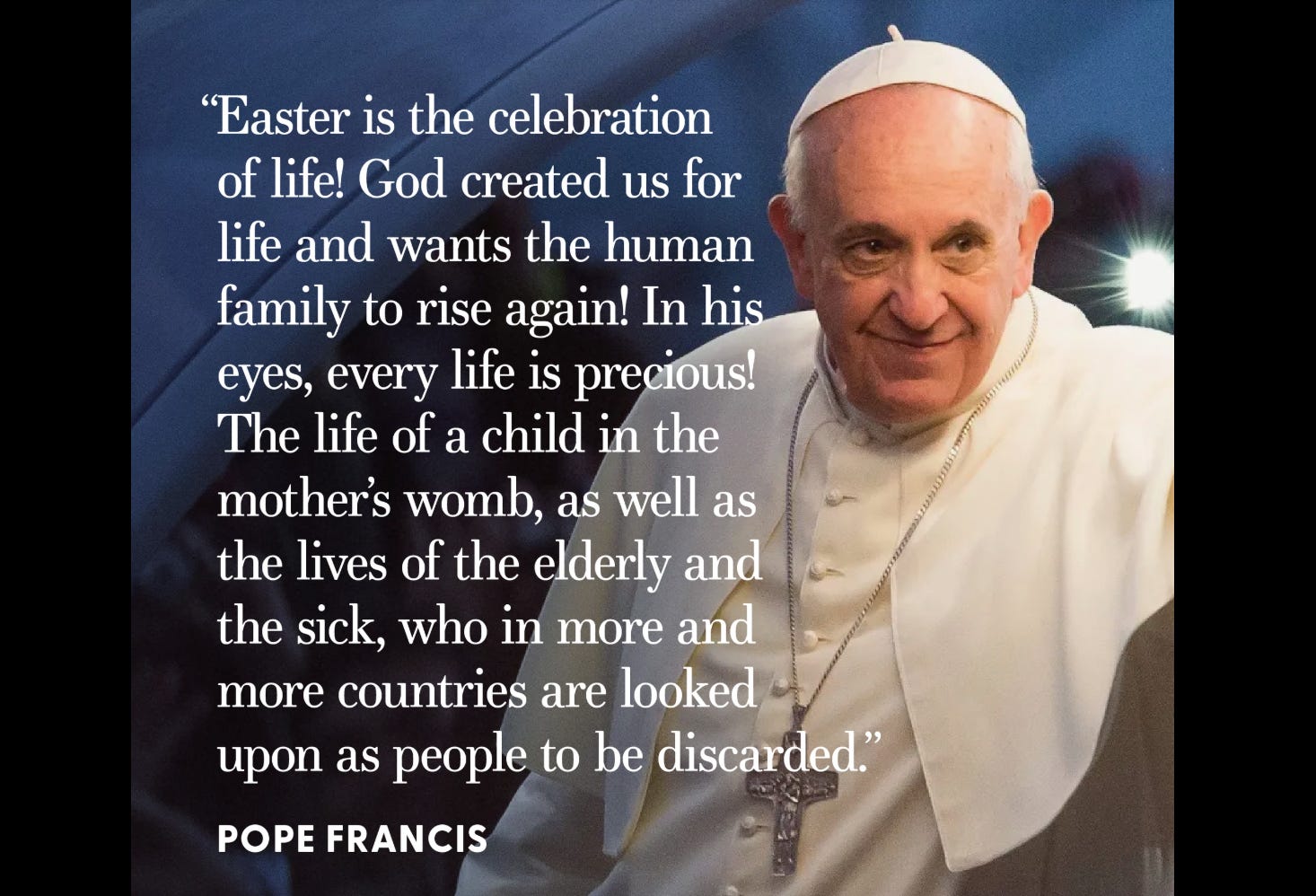
To some, the papacy of Pope Francis may have been controversial and at times inconsistent, but there was one issue where he remained completely consistent—namely, his respect for human life and his condemnation of the killing of the unborn. Throughout his life, Pope Francis always made sure to remind us that human life is sacred, and that it must be defended in all cases. While some within the Church have intentionally avoided abortion discussions due to their controversial nature, Pope Francis showed great courage and never wavered on this issue.
Over the course of his papacy, he described abortion as evidence of a “throwaway culture.” He acknowledged that “abortion is never acceptable," and even dismissed Catholic President Joe Biden's position on abortion as incomprehensible. He repeatedly referred to abortion as "murder," and sparked a specific controversy in Belgium when he criticized their abortion law as “homicidal.” In one particularly noteworthy example, he likened abortion to “hiring a hit man to resolve a problem.”
As recently as last January, his 2025 New Years’ Day message made calls for a “firm commitment” to protect and respect the dignity of human life from conception to natural death, and to protect the “precious gift of life,” specifically referencing “life in the womb.”
Consistent with his position on abortion, Pope Francis considered the death penalty to be immoral, as only God should have the power to take another person’s life—no matter what. In 2018, he approved a revision of the Catechism of the Catholic Church to reflect this stance.
His papacy may have been controversial to some—and at times confusing—but there is no question that he was a steadfast defender of human life, both inside and outside of the womb.
That is how he should be remembered.
Reflecting on Pope Francis with a Mirror by Vincent Weaver
When Pope Francis began his pontificate in 2013, I was excited about the “newness” of it all—the first Pope from the Americas, the first “Francis,” and the first Jesuit (though I wasn’t sure where that might lead…). I was immediately struck by his humility and decency. He was a man of the people who eschewed many of the adornments of the office, and desired to be among the poor and the lost sheep of the flock. Many fallen away Catholics that I knew also saw something different in him, and both they, and many Protestants, were intrigued with this leader of Catholicism and the Church he led. So, I was optimistic.
That didn’t last, though. Pope Francis made a series of statements and performed several actions that made the faithful wonder exactly what he meant, or at least question why he would say or do such things. I tried oftentimes to give him the benefit of the doubt, assuming the Italian media (and that of the US) may have been simply twisting his words. So, I started reading his actual statements. Sometimes, I found that his words were in fact twisted. But sometimes, I and others were left concerned and confused.
After a few years, I started to hear many accusations from seemingly faithful, practicing Catholics that pushed the envelope of “constructive criticism” a bit too far. Some came right out and called him a heretic. Some said his papacy wasn’t legitimate. Some, in their pettiness, would only refer to him as “Bergoglio.” This “I know better than the Pope” attitude drove me to defending him on several occasions, which surprised even me. It also led to me thinking of him in terms of his own words: “Who am I to judge?” I don’t know what it’s like to be Pope (thank God!), and I don’t know what a burden that must be. I don’t know how he interacted with people on a day-to-day basis (though this article probably provides pretty accurate insight), nor everything he may have said regarding the defense of Church teachings. So, I’ve generally given His Holiness a break, while at the same time feeling a bit of uneasiness about his “no filter” style, one that was so radically different than that of his predecessor, Benedict XVI.
If we want the Church to be more orthodox, each of us should practice a greater degree of orthodoxy. But if we can’t do so in charity, it means nothing. And that’s precisely where a lot of this criticism led to. Many were DRIVEN AWAY from the Church because of the endless stream of sanctimonious criticism. There was no joy or love in much (if any) of these critiques. In many cases it wasn’t being offered out of genuine concern—instead it was just dissatisfaction with a Pope who they believed was Poping incorrectly.
So, what is my point? A mere suggestion. I would suggest we all look in the mirror and engage in honest reflection as we pray for Pope Francis’s soul. How can I be a better reflection of Christ? How can I bring more love and joy to those in my family and those with whom I come in contact? If we all did that each and every day, the Church would explode with converts—regardless of who sits in the Chair of Peter. We can’t control the latter, but we have full control over the former.
Francis the Equivocator by Peter Merkl
Thanks to all of the Church’s countercultural positions, Catholics might as well drive to Mass in a Cybertruck, sporting a MAGA hat, while at the same time chatting with Don Jr.
The Church’s positions on gay marriage, women priests, gay priests, abortion, and the infallibility of the (male!) pope place it in heretical conflict with all the holiest of holies of Wokeist ideology. And as a result, the vast and wily powers of big media, big academia, big corporate, and (until very recently) big government, all driven mad by the temerity of the Church’s heresies against Wokeism, ruthlessly work to destroy it.
As if all that weren’t enough, the unspeakably horrific clergy sexual abuse crisis provided the Church’s enemies the largest a bullseye in its history to gleefully blast away at; and gleefully blast away they have.
In the midst of this all-out war between principalities and powers, all we stressed-out, paycheck-to-paycheck Catholics can do is hide among the rubble. And all we ask of the Church is that it not leave us out in the cold by abandoning the deposit of the faith and making us look like fools.
And then along came Pope Francis.
When asked about gay priests by big media in 2013, Pope Francis famously answered, “Who am I to judge?” Whatever he may have meant by that, big media took off and ran rampant with it for the next twelve years.
In 2023, a document from the Vatican’s doctrine office allowed priests to give blessings to same-sex couples. Whatever Pope Francis really meant by that, big media blared out to all mankind that it meant he’d “…formally approved allowing priests to bless same-sex couples with a new document providing a radical change in Vatican policy which insisted that people seeking God’s love and mercy shouldn’t be subject to ‘an exhaustive moral analysis’ to receive it.”
Regarding the role of women in the clergy, Pope Francis created two commissions to consider whether women could serve as deacons. Whatever he really meant by that, big media reported to the world that he was wavering on the subject.
All of which left many of us ordinary Catholics with a strong suspicion that Pope Francis was pandering for acceptance—by the same popular culture that despises us because of our belief in traditional Catholic teachings.
All in all, he seemed like a nice guy, but we need more clarity from the next pope, or I may just...
No, …I’ll always be Catholic.
The Office Supersedes the Man by Evan McClanahan
The following is an excerpt from an upcoming article by Evan McClanahan who, as a Lutheran pastor, offers his insights on the papacy as an ecclesial office, rather than a particular pope.
With the death of Pope Francis we are having the every-15-years-or-so conversation: who will be the next pope? More importantly, what kind of pope will the next pope be? Will he be different from the previous pope in a reactionary sense? Or more of the same? Conservative? Progressive? Black? White? Political? Humble?
The most significant of those questions is currently the liberal/conservative question. Will the next pope continue to go in Francis’ direction which is/was generally seen as more open, tolerant, and progressive? Or will he attempt to lurch the Catholic Church back into, say, a Pius XI direction?
If the Catholic Church is what it says it is, it really shouldn’t matter who is elected pope. For such a man represents an office that defends peculiar truths. His personality should matter not one iota, and he should not be seen as a representative of one particular faction.
Sure, there may be some factions that form on some tertiary issues of the faith or around certain points of emphasis. But on the major theological and ethical questions, every Cardinal and bishop and priest should be on exactly the same page. I mean, that is what you expect when you are a Catholic! Unanimity. Specifically, a historic apostolic succession that guarantees that the Catholic Church will teach the universal and absolute truths of both Scripture and Tradition.
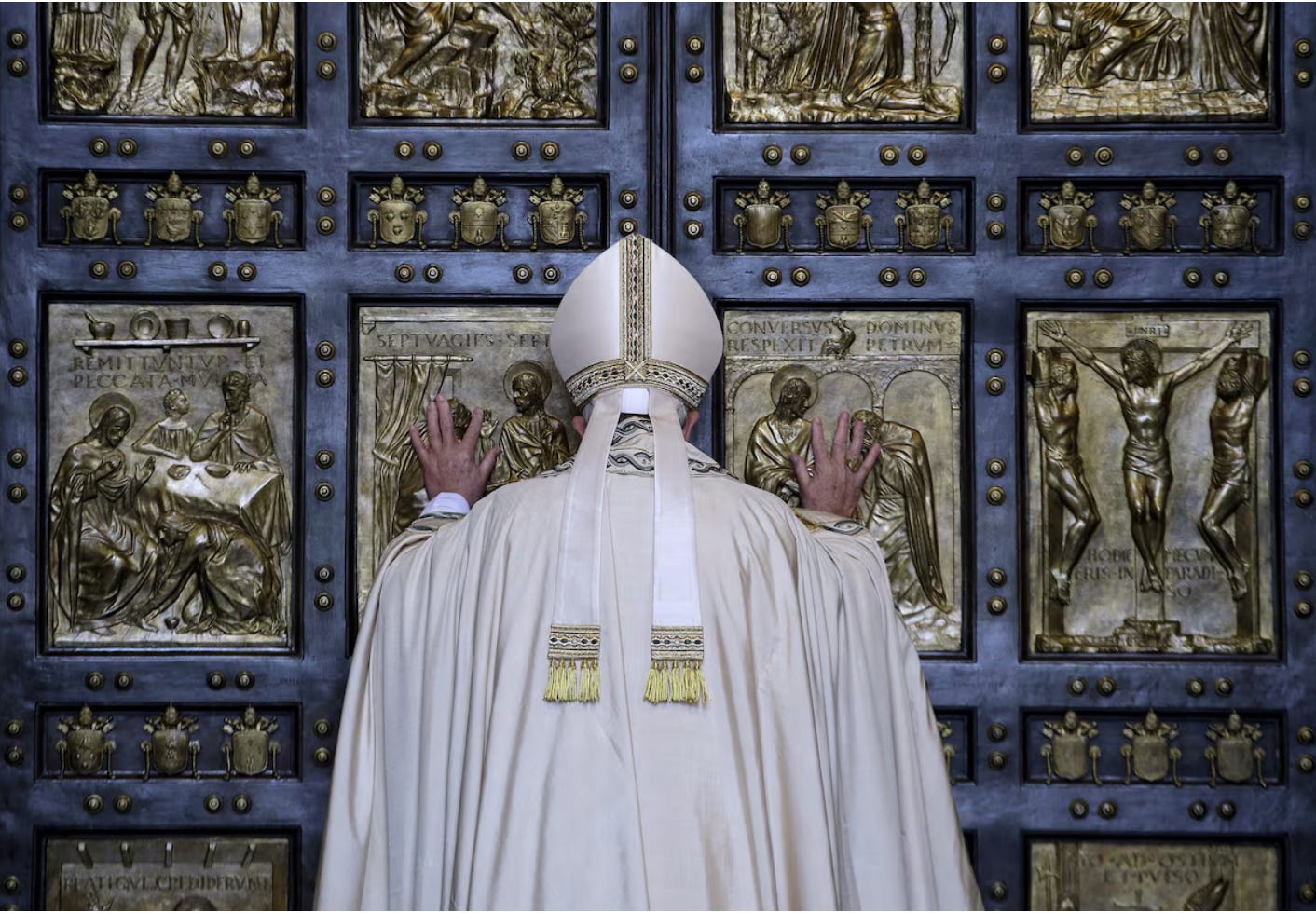
The Passing of a Religious Manager by Gerhard Thielman
The passing of the late pontiff raises concerns over his legacy, especially regarding confusing or ambiguous comments on matters related to doctrinal positions, particularly ethics related to sexuality. Such matters of faith and morals don’t even encompass retrograde attitudes on economics and overly simplistic notions of energy production, which are evidenced by popularly extolled appeals to address “climate change” in Laudato Si’. Personally, I’m rather indifferent to all this, not bothering to read and study the various encyclicals. Perhaps that’s a poor attitude on my part as a former Protestant, but debates over doctrine frankly bore me, having previously read explanations via medieval papal decrees by the likes of Robert Sungenis, written to justify why Catholics should adhere to geocentrism.
My concern is rather more prosaic. While a pope is elected to be the spiritual leader of Catholicism, his charge includes, perhaps more importantly, the chief magistrate of the Catholic Church as an institution. And in this regard, the late Francis' stewardship has proved to be problematic. During his pontificate, the Vatican's finances have deteriorated, but perhaps more importantly, his administration has focused more on process than results, as explained in Compact by Nathan Pinkoski. Throughout history, procedure becomes the emphasis of an organization that chooses to avoid or deflect responsibility. For a religious establishment intent on maintaining cultic practice and evangelizing its doctrine to more adherents by persuasion and apology, a shift from accountability to social justice posturing seems counterproductive.
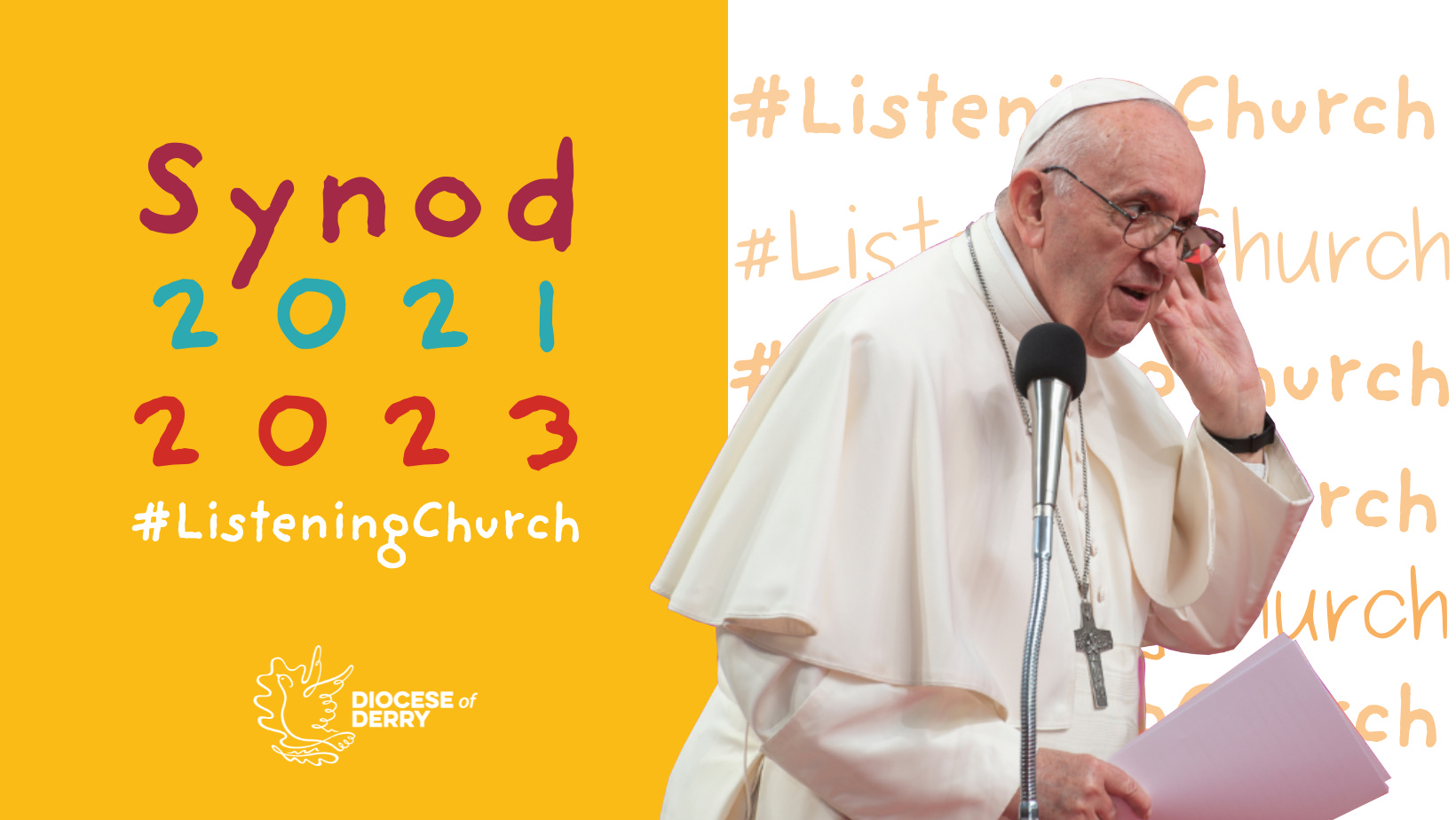
The focus on process labeled as “managerialism” involves “communication” rather than administering reforms to correct current problems. As Pinkoski summarizes, “Talking and listening sound bold, but it’s hardly an agenda for real reform. In politics, the cost of this substitution of ‘listening’ for reform is stagnation. In theology, the cost of this approach is incoherence. Under Francis, the faithful learned that they were better off just ignoring what Rome said, rather than trying to make sense of it. That’s what one does to survive a troubled time, but it’s hardly a recipe for ecclesial harmony. Faced with a fragmented church in which Catholics trust their personal judgement [sic] and tribe more than their shepherds, future administrators will be tempted to use managerial vagueness for the simple task of keeping the peace and avoiding conflict.”
For me, that pretty much sums up the last papal reign.
A Confusing and Antagonistic Pontificate by J. Antonio Juarez
When Pope Francis made his first appearance on the balcony in St. Peter’s Square on 13 March 2013, I had never heard of Jorge Mario Bergoglio. Soon people (Catholic and non-Catholic alike) around the world began to praise Pope Francis not for his orthodoxy or intellect, but instead for living a spartan lifestyle, for eschewing the traditional regal trappings of the papacy, and for his life-long love of and work with the poor in his home country of Argentina. As I was reminded one last time during ABC’s the funeral coverage of Pope Francis, he was labeled the “people’s pope,” which was a semantically overloaded term that was imbued with lefty-socialist overtones arising out of the Liberation theology milieu from which Francis originated.
As such he was admired by much of the liberal-left world, but this ended up being a source of friction with a whole host of the Catholics which he was supposed to be leading. While it is true that Francis did not change any church teachings, he spoke vaguely enough about them, or offered up enough intellectual leeway to its teachings, that many people (especially non-Catholics) thought he was making changes in the Churches’ teachings. We all remember these various controversies that caused so much strife and division in the Church—the Pachamama incident, Amoris Laetitia and its unanswered dubias, Traditionis Custodes and his disdain of the Latin Mass, Fiducia Supplicans and its “guidance” in giving blessings, and the Abu Dhabi Document on Human Fraternity and Fratelli Tutti which seemed to geld the Church’s universal mission to spread the gospel. All of those, as well as other off-the-cuff remarks he made in interviews, gave the impression of a papacy that “was marked by a rapid diversion from Catholic teaching on numerous issues, with his pronouncements and writings leading to widespread confusion amongst Catholics.”
What I will remember most about Francis’ reign, however, will not be his words or his deeds, as much as the rise of what I would call “Francis Derangement Syndrome” (FDS). Similar (yet not the same) to its secular counterpart “Trump Derangement Syndrome,” FDS was characterized by an irrational and cantankerous rejection of Francis as pope and his pronouncements among certain Catholics. For those who had it, their whole identity revolved around criticizing Pope Francis for his misdeeds and the damage they perceived that he was doing to the Church. To be fair, there were many “pope-splainers” who tied themselves into annoying knots trying to explain away what the pope really meant, but it was those with FDS who used up most of the intellectual oxygen in the room for the last thirteen years.
Just as Sam Harris exemplified an intelligent and respectable man broken by his hatred of Trump, the epitome of FDS was Steve Skojec and his website OnePeterFive, as he himself openly admits in a recent article. Skojec, along with others like Michael Voris with his now defunct Church Militant, former Catholic Answers host Patrick Coffin and the Michael Matt at the Remnant newspaper turned “Bergoglio bashing” into an online phenomenon as they all tried to one-up each other with the “latest and hatest” news about the Pope. In some instances, FDS even opened the door to giving a glimmer of legitimacy to Sedevacantism and other sketchy conspiracy theories, so long as they contained criticism of the Pope Francis.
In the end, all this did was to pit Catholics against each other as they retreated into various “rigid” ecclesial enclaves (liberal, Novus Ordo or Trad) who endlessly bickered among themselves or worse, simply left the faith altogether as Skojec did.
To me that is what I will associate with the Francis papacy.
The Conclave and Beyond
As the news cycle changes its focus from the death and funeral of Francis to the conclave to pick the next pope, it is important to remember a few things. Firstly, Francis picked 108 of the 135 cardinals who are eligible to vote for his successor, most of whom are from a post-Christian Europe who resent their own citizens and live in fear of the third-world refugees (mostly Muslim) they themselves invited in. Hence, any thought of a conservative pope like Cardinal Robert Sarah from Africa or someone like Cardinal Zen from China being elected might require a literal miracle. In all earnest, the new Pope is likely to be someone who is just like, or even more heterodox, than Francis.
Secondly, this inevitability is result of the cultural ennui and spiritual torpor of the modern world that has led many a Christian to become far too assimilated to the secular world. The applause that Francis received during his reign, and especially at his funeral, should remind us all of St. James’ words that “that friendship with the world is enmity with God.” For while it would be nice if the next holy father would be respected on the political and cultural level, and feared on the spiritual level, none of that should come at the expense of failing in the pope’s primary duty of promulgating, defending and passing on the Church’s deposit of faith.
Thirdly, even if the next pope is a “friend of the world” and a “hireling” shepherd to the billion plus Catholics in the world, there have been bad popes in the past, and just as Christ assured us, the gates of hell did not prevail. For as it was with Francis, it is not like he will change the faith in any way that would overcome the sensus fidei of the faithful. In truth, one silver lining of all of the controversies stirred up during Francis’ papacy was that a lot more people started to pay more attention to and learn more about their faith, so as to understand what all of these arguments were about.
Finally, going forward, it should go without saying…enough of the pope bashing. I am reminded of a scene in the World War 2 series Band of Brothers when Major Dick Winters reminds an officer, Captain Sobel, that he has had issues with, “We salute the rank, not the man.” Christ himself offered up similar advice when he said not to follow the example of the Pharisees, but to nonetheless respect their authority because they sat on Moses’ seat. Likewise, regardless of who is chosen the next pope, none of us should lower ourselves to using any sort of puerile or condescending monikers to address the pope. We should honor and respect the authority of the office of the Papacy, even if we don’t respect the man.
Photo Credits- Vatican News, 1P5, BBC News, Daily News, Reuters, Irish Synodal Pathways, The Hill, EuroNews, and Live Action News.
 | A guest post by
|
 | A guest post by
|
 | A guest post by
|
 | A guest post by
|
Will it be remembered at all?
If so, he’s the Pope that began undermining Church teaching in an effort to align with the world rather than strive to have the world recognize Church teaching, values, ethics, etc.
“Bradley Shumaker
To some, the papacy of Pope Francis may have been controversial and at times inconsistent, but there was one issue where he remained completely consistent—namely, his respect for human life and his condemnation of the killing of the unborn.”
I’d argue that if one needs to point out that the Pope is pro-life there is precious little else to commend him. It is about the lowest bar I can think of.