


For the first time in history, there are more elderly (<65) than young children (>5) across the globe. This is a predictable consequence of the developed world driving off a demographic cliff for the past half-century. Already, this is leading to depopulation in countries like South Korea, Italy, Japan, and probably China.
In all likelihood, this will be how modern civilization ends: not with the bang of nuclear armageddon, but with the whimper of old people and their AI nurses shuffling through the aisles to purchase adult diapers.

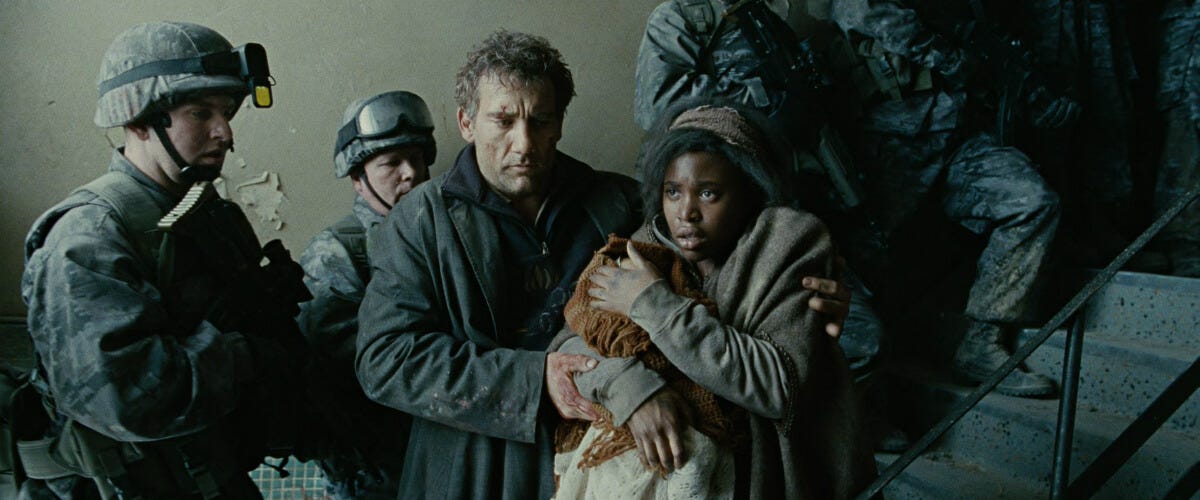
Considering the vast number of end-of-the-world movies that exist, it’s remarkable that only one of them has even come close to today’s situation. While these other films dealt with wars, plagues, natural disasters, robot apocalypses, and mass idiotification, this film dared to consider what would happen if people stopped reproducing. It’s grim, dark, and actually pretty awesome: Children of Men.
Sadly, that year (2006), most audiences were far more invested in Johnny Depp as a pirate, Tom Cruise as a secret agent/stuntman, and Frasier Crane as a hairy blue mutant than Children of Men. As such, the movie completely flew under the radar (it ranked 267th that year), probably because most people found it so implausible. Even as recently as two decades ago, most informed people still worried about overpopulation, global warming, and Islamic terrorism. The problem of low fertility rates held about the same level of urgency as the skyrocketing national debt; it was as though everyone agreed to mentally kick those particular cans as far down the road as possible.
A Review of Children of Men
What made the lackluster response to Children of Men all the more tragic is that it’s an objectively good movie. The production, performances, and pacing are all excellent. Even without a cape and shredded abs, Clive Owen somehow makes a bedraggled and confused middle-aged man a heroic and likable protagonist. Michael Caine and Chiwetel Ejiofor—both actors who have been the same age their whole careers—are each excellent in the movie. The action scenes are well choreographed, and watching the practical effects now will make one lament just how much green screen has taken away from current entertainment.
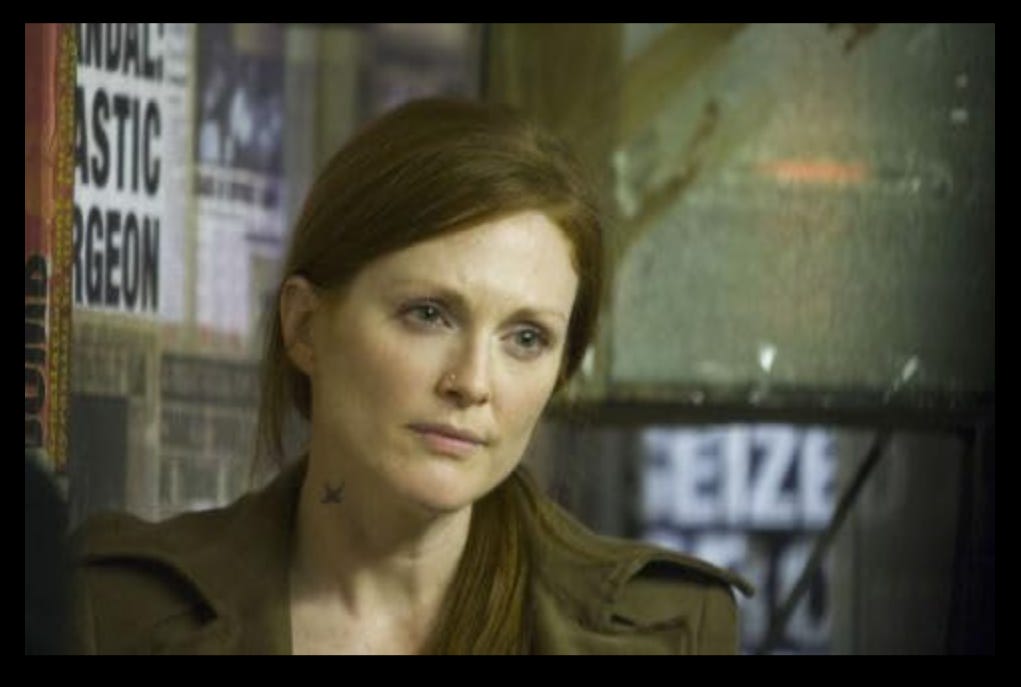
The story itself is relatively easy to follow. For some unexplained reason, people can no longer reproduce, so society has just been slowly aging and diminishing. People in their 20s are treated as celebrities for being the youngest human beings on Earth, and governments have become more authoritarian in response to emerging left-wing terrorist groups. Owen plays a faceless bureaucrat—similar to Winston Smith in George Orwell’s 1984—who finds himself protecting a West Indian immigrant, Zara, who is miraculously pregnant. Most of the movie involves him and Zara running away from the Leftist terrorists who want to use Zara for propaganda.
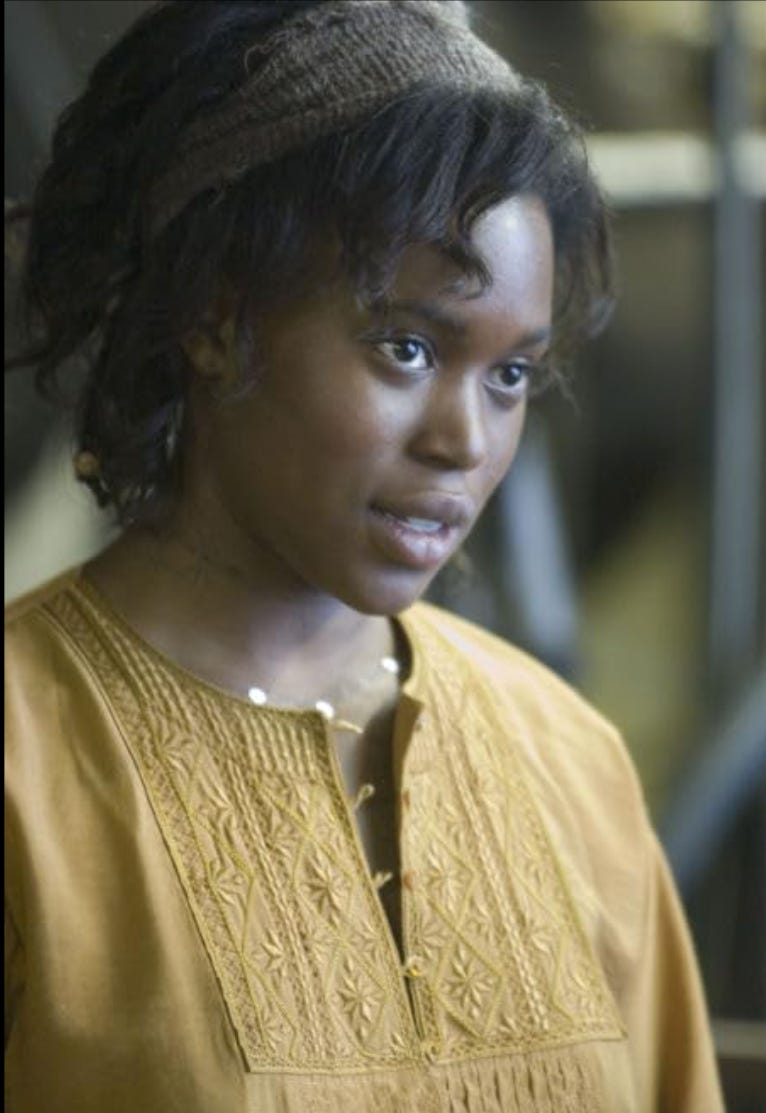
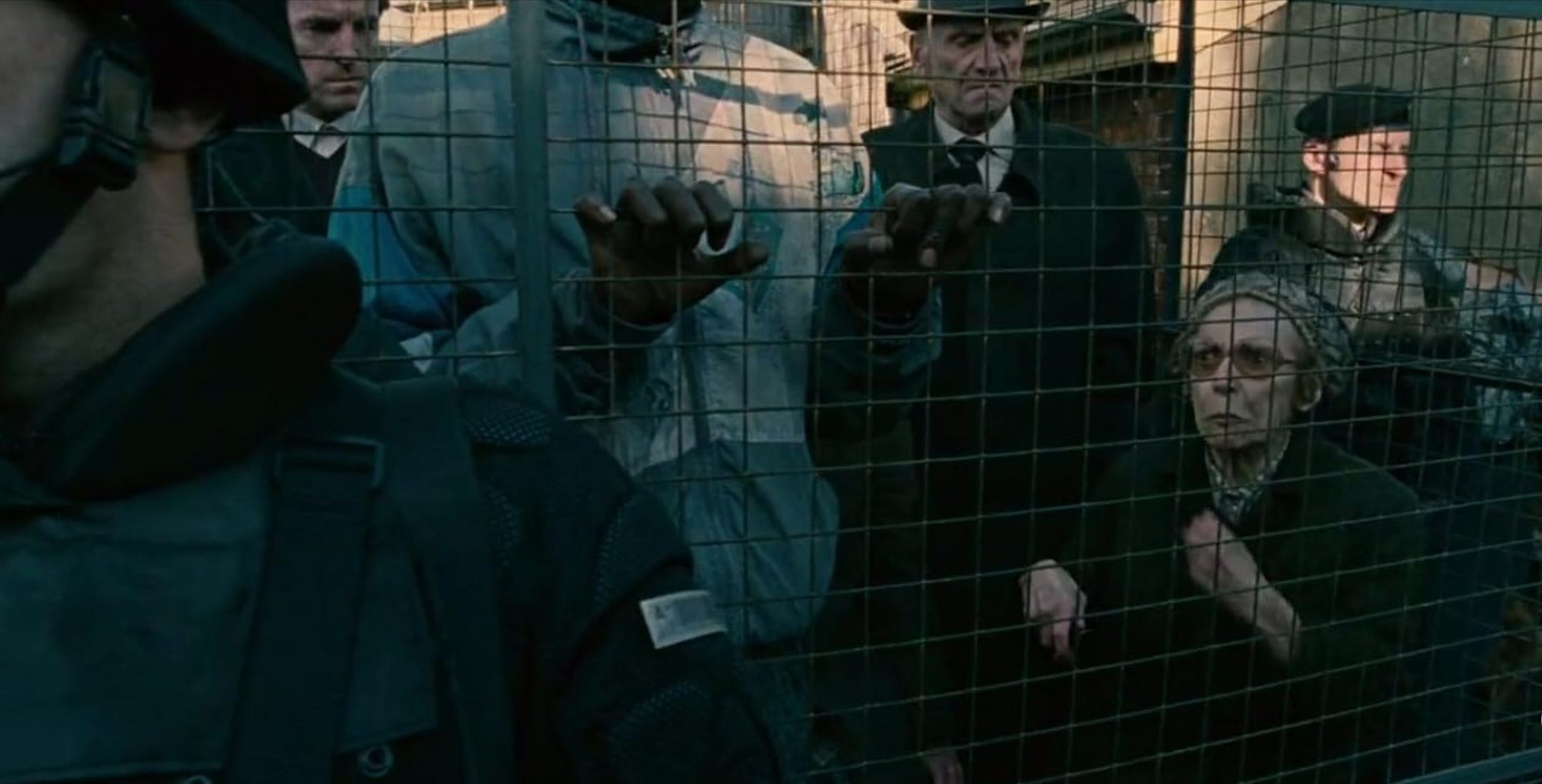
Before anyone proclaims this is an unappreciated right-wing, pro-life, anti-terrorist masterpiece, the film’s liberal heart bleeds all over this story with the heavy pro-immigrant messaging. Although most people will only remember the premise of global sterility, more screen time is devoted to the plight of refugees. In the future, desperate immigrants are apparently treated as second-class citizens and either held in internment camps or rounded up for deportation. As such, the leftist groups are given a halfway sympathetic treatment since they at least pretend to care for the refugees.
That said, in the context of depopulation, the focus on immigration is more than mere virtue-signaling. Most of today’s politicians will take in ever more immigrants to boost the dwindling labor supply. And unless Elon Musk can create an army of robot workers (he’s trying!) soon, the changing character of Western culture and the darkening hues of the Western populations are the unavoidable consequence of insufficient reproduction. Whatever might be said, a nation of old codgers along with a handful of incompetent youths will not be able to maintain the current standard of living.

Where the movie diverts from believability is in its depiction of immigrants as desperate refugees facing hate-fueled oppression from native-born citizens. Sure, this is a popular Leftist conceit (“kids in cages,” etc.), which is probably why it’s there, but if the whole world is depopulating and able-bodied immigrants are coming into the country, they would likely be put to work and assimilated, not herded into camps and systematically neglected and abused. When mass extinction is on the table, there is little point in carrying out this kind of campaign.
However, the film’s real weakness has nothing to do with its politics or aesthetic, but with its vision of a future without children. Yes, it is certainly bleak and colorless as the movie shows, but it is not quite so kinetic and fraught with conflict. Older people are many things, but they are not revolutionaries ready to mount violent insurgencies. In all likelihood, they would follow the example Michael Caine’s character (an old hippie caring for his paralyzed wife), cultivate artisan marijuana, and listen to old records while humanity slowly dies off. Then again, this would make for a boring film, so it’s probably good that the writers swapped this out for modern-day civil war.
A Look Into the Near Future
Nevertheless, it doesn’t hurt to realistically imagine a world without children since this is already taking shape today. While conditions have not become quite so dire as in Children of Men, they are deeply concerning all the same. Not only are children are being outnumbered by the elderly, but fewer adults are coupling and having families. All over the developed world, humanity is transitioning into child-free, single-adult culture with a new set of collective priorities and a different moral code.
Beyond the effect on the economy, this will have significant impact on people’s social and political behavior. As writer Alan Schmidt (whom I interviewed) recently argued, families will be pushed to the margins and heavily policed by the majority of single childless adults who will “fight to the hilt to maintain their empty but enjoyable pursuits.” In their personal lives, they will be principled libertarians, and in their public lives, they will be conscientious citizens. The same men making the finishing touches to their gooning caves will also be the ones alerting the authorities of the 12-year-old walking to school without a squad of adults accompanying him.
While I agree with Schmidt that culture will polarize between people with kids and those without, and that the latter will devote themselves to hedonism-maxxing, I doubt that it will go much further than this. Aside from the profound alienation, nihilism, and arrested development that comes with childlessness and involuntary celibacy, there is also a kind of lethargy and myopia that disarms any and all collective action. Rather than a hostile majority of man-babies and Karens militarizing CPS to go after Christian homeschoolers, this group will more likely be shouting at one another online while vegging on brainless AI-generated content. For their part, families will increasingly band together and embrace more traditional, offline lifestyles as a separate community.

In either case, however, the near future might be a little darker, but thankfully not as dark as the chaos in Children of Men. And in some ways, it will present some great opportunities for families. In a society of tired old people, talented young people entering the workforce will have more value than ever and parents will enjoy much higher social status than they currently do. Sure, the childless girlbosses can splurge on their brunches and pay for top-tier ice makers (this is a real thing) and the liberated single men smoke weed and pretend they aren’t completely emasculated, but those adults who become parents will have the ultimate source of wealth in their children.
And, ironically enough, the world will be as Charles Dickens famously described the late 18th century, “It was the best of times, it was the worst of times.” Whether it’s the best or worst will depend on today’s young adults choosing the rich and fulfilling family life or the cheap and easy single life. Even if globalists are betting that they opt for the latter, the ballooning number of senior citizens are hoping more people choose the former and do it soon.

Photo Credits- IMBD, Reddit and Baamboozle.
The book, The Children of Men, while sharing the broad strokes of the same story, is a very different beast than the film. Personally, I like them both in their own ways. The book carried a more quiet devastation, along with telling observations about what happened to the society with no children, observations that have only become more prescient in the decades since its publication: pets as child substitutes, the importation of third world youth for labor, the young Omega generation coddled and wondering what their lives are for.
There’s a great quote from First Things magazine’s review of the book The Children of Men that I keep coming back to, especially in these years since Covid and all its knock on effects:
“This question leads us to one of James’ most intriguing and subtly developed themes: the uselessness of liberal theology in a time of profound crisis. Christian theological liberalism has typically discarded orthodox eschatology in favor of a mild and essentially secular meliorism. But when people are faced with the apparent extinction of the human species, the belief in moral and material progress that undergirds such meliorism becomes, to say the least, untenable.”
One of my favorite movies ever.