

Natural vs. Engineered Migration
What does the American wild turkey in California and illegal immigration have to do with one another? While subtle, it offers a fitting comparison.
If early modern cities—what historian Lewis Mumford called a paleotechnic paradise—attracted a great number of migrants despite horrendous living conditions, it is also the case that contemporary deep blue suburbs aren’t protecting the interests of their residents either. Occasional forest fires ripping through the region aside, at least it can be said that the air is clean. But it’s not its human residents we treasure most, and it is not the pristine environment that we strive to safeguard for its own sake.
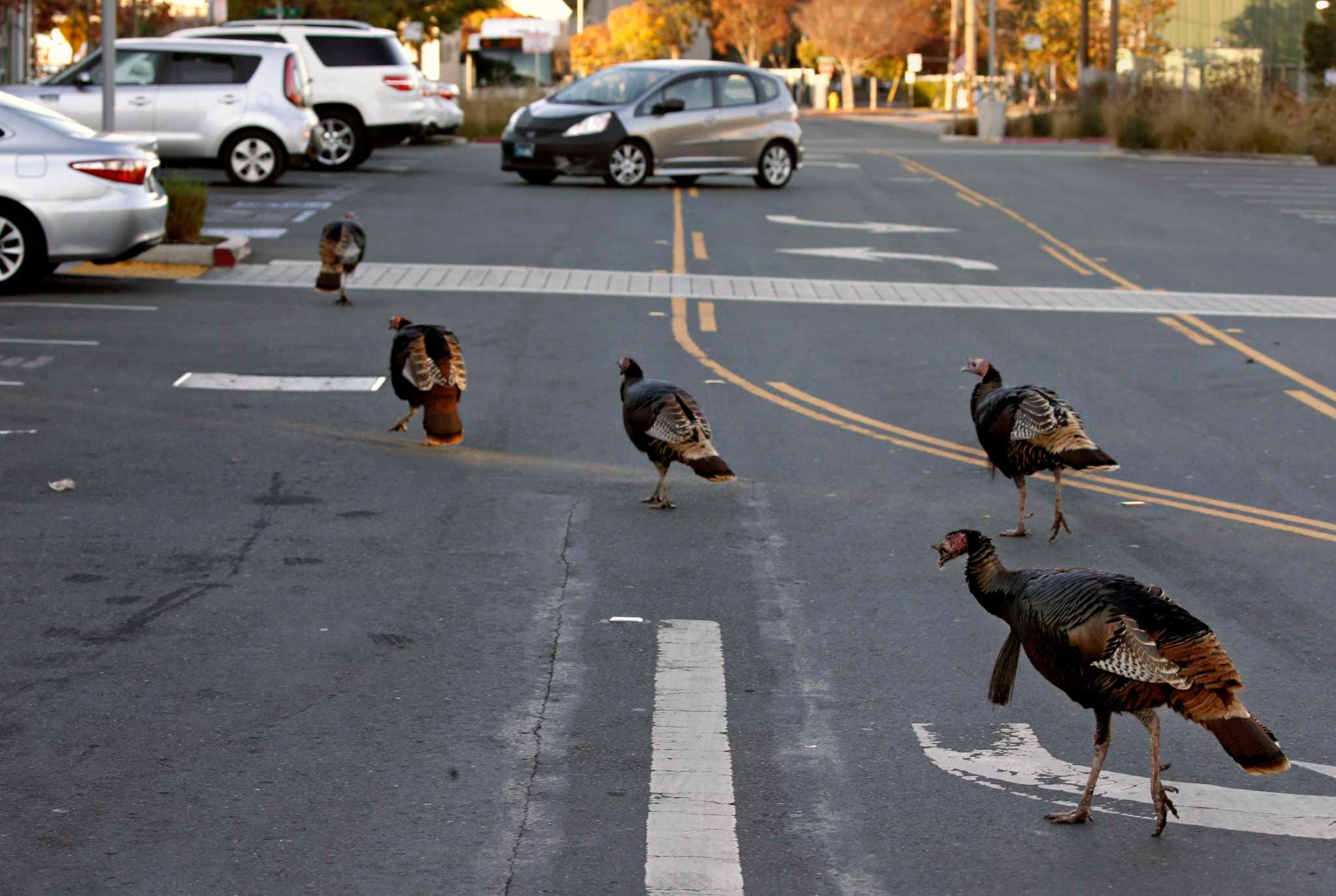
Consider, for instance, the case of the wild turkey living in the East San Francisco Bay Area. A gentleman named Chanseng Lio was recently apprehended in the coastal city of Alameda and charged with a felony for killing one of the feathered giants with a pellet gun.
Wild turkey (Meleagris gallopavo) is not native to the Golden State. Another animal that scientists initially believed it to be similar to a peacock—lived around what is now Santa Barbara County and went extinct around 10,000 years ago. The specie we see across California today was first introduced in the 1870s by private landowners. In 1908, California Fish and Wildlife brought them over for trophy hunting, but they were killed off by disease within ten years. Several other attempts to add the Mexico and Southwestern specimens to the state’s habitat were likewise futile- they were heavily dependent on humans for food and shelter.
They did eventually take— and the birds found suburban areas particularly inviting. The shrubs are great for nesting and residents feed them through the winter months, thereby ensuring their survival.
In the Bay Area, they found home up in the hills, but at some point during the Covid lockdowns when traffic in Oakland, the town that separates Alameda from the hills, came to a halt, they likely migrated towards the shoreline en mass. The bored homebound suburbanites rejoiced at this migration and posted pics of their new neighbors all over social media.
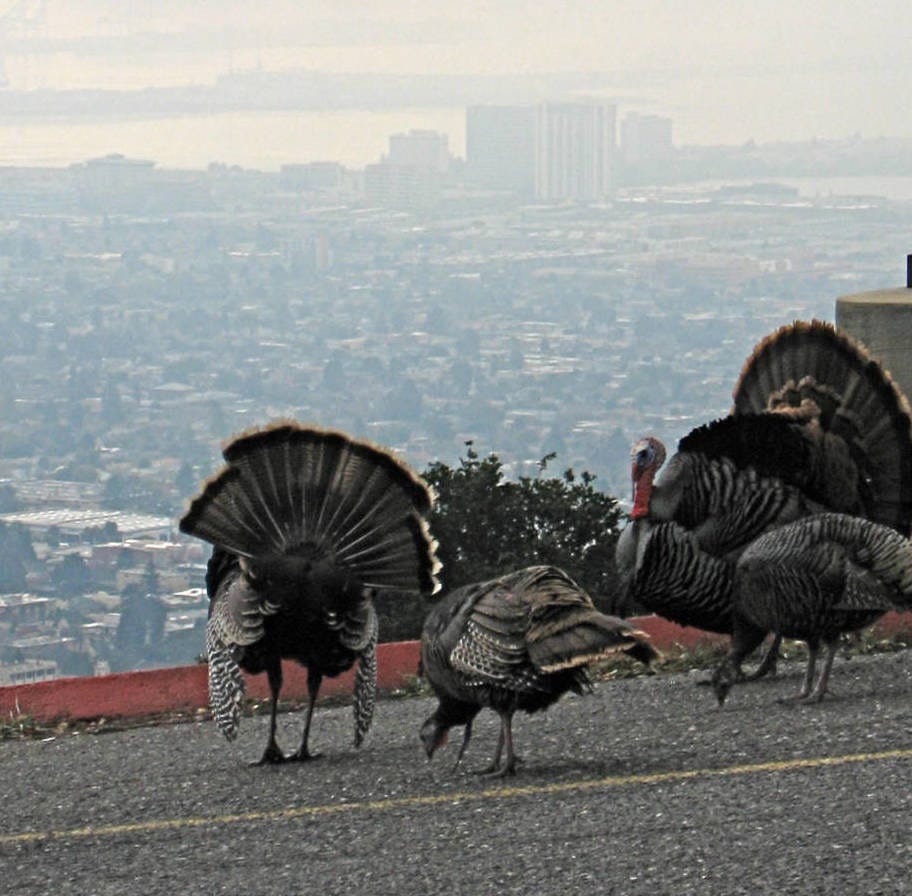
To be sure, a wild turkey is a splendid spectacle—a kind of sub-peacock puffing its tail, moving slowly, like an Egyptian from some MTV video, past the In This House We Believe yard signs. They are something to watch with your kids, albeit not every youngster is amused by an animal that reaches the size of a typical toddler.
Turkeys have this harmless aura—a glorified Dodo, too sluggish to be a threat. Still, they immediately began blocking roads and leaving droppings on the sidewalks. The former is mostly a minor annoyance in a place where few drivers are in a hurry—the worst thing that might happen is an occasional honk from a semi-truck. This aviary barrier to traffic is just the thing that delights the local powers that be. Traffic barriers are currently all the rage—the lockdown-era parklets and slow streets have been left in effect, and the roads are currently undergoing expensive narrowing and bike lane building process.
However, it soon became apparent that their goofy vibe aside, wild turkeys could be quite aggressive, especially around hatching time. A hen once charged my husband while he was walking the dog—she was guarding her brood. They generally don’t mind people and cars whom they rightly believe to be safe, but it’s the dog that the fowl fears, especially one like mine, with a good hunting instinct in her.
In that particular case, the bird might have acted defensively, but we know from New England’s turkey woes that they have a natural pecking order and become belligerent when they perceive weakness. And so I heard a story of a boy who used to feed the neighborhood rafter, but one day went out empty-handed and was charged by the animals.
The very fact that people feed wild turkeys is problematic. They looked significantly smaller when they first appeared in the area, before they switched to a diet of store-bought bird feed. Their large size also makes them appear menacing.
The ultimate effect of this introduced specie on the local flora and fauna remains largely unknown. It’s worth noting that wine makers are raising alarm about the animal “stripping, pecking, and plucking grapes.” And we know that California supposedly love their winemakers, viniculture being the sole civilizational achievement we are entitled cherish.
Commenting on the felony charge of Lio, WildCare Director of Animal Care Melanie Piazza explained:
“The Department of Fish and Wildlife has all of the rules they have in place to protect our wildlife and our wild resources for reasons [like] animal safety, population safety, as well as humans.”
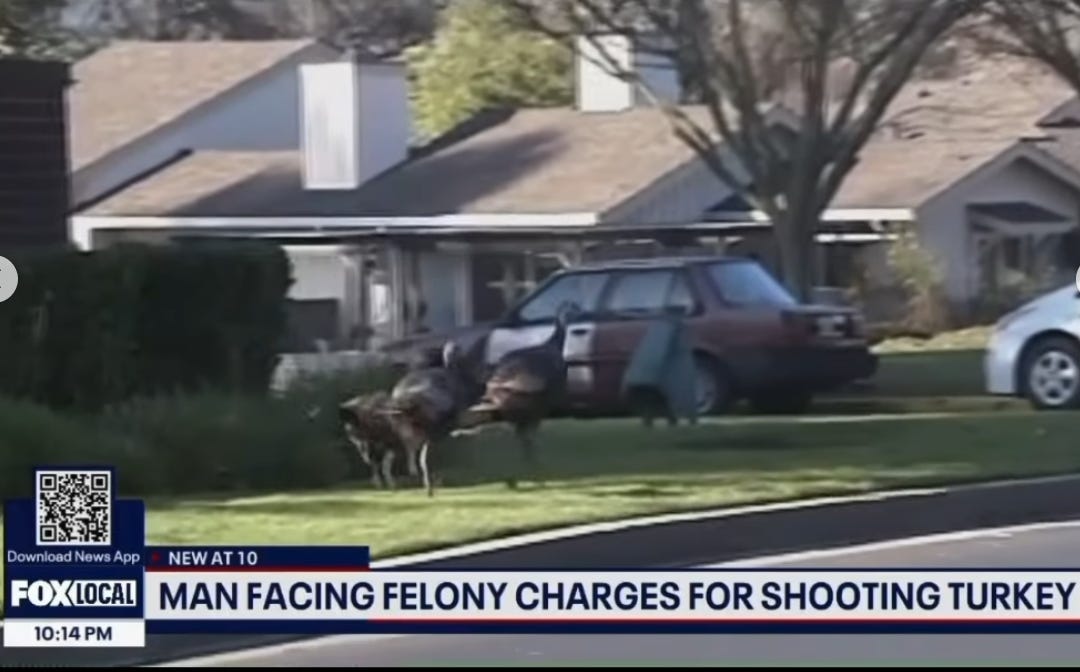
A woman KTVU interviewed near the site of the culling added her point of view: “People should not be harming animals at all.” It’s perhaps a nice thought, but something tells me that she has probably had a turkey’s relative for dinner recently.
An overcivilized American thinks that an imported turkey roaming around his residence is natural, not to mention cute. We are not food insecure. But a foreign-born person sees food—and acts accordingly.
Considering that wild turkeys are not a native specie, and that they were brought to California for hunting sports and survive thanks to sentimentality and largess of suburbanites, to call them wildlife is a bit of a stretch. In reality, “public pets” is a much more fitting description.
At some point the novelty will begin to wear off and along with it the amusement value of the beast. Lio is perhaps unique around here in following this impulse, but the residents do joke about the turkey being so slow, that they don’t know that Thanksgiving is around the corner—and so on.
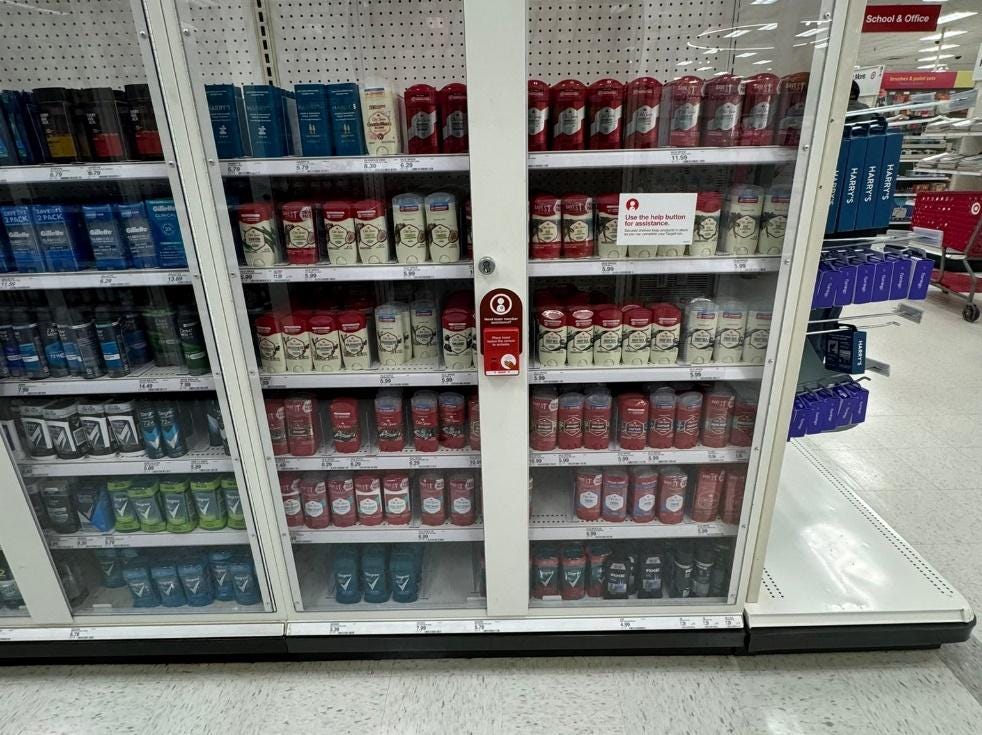
Still, the overall mindset of an East Bay suburb is that of hapless wonder. Grocery stores lock up toiletries and Home Depot constructs a checkpoint Charlie at the parking lot because of rampant theft. Fentanyl dealers set up shop in sanctuary jurisdictions. And another invasive species run amok. The prevailing assumption is that migration is a natural order of things—when in fact it is not. It’s socially engineered.
Taking pity on exotic creatures should be a reward in and of itself.
Photo Credit- San Francisco Chronicle, VisonR, KQED and Instagram, .
Wild turkeys were reintroduced back here in MN back in the mid-90's and I even went turkey hunting when there were enough of them. They have now come back a hundred-fold and they are everywhere, even in urban areas. I knew an elderly couple who's little bichon frise was attacked by some turkeys when the dog went out to go bark at them in the yard. They have spurs on their legs, so they can be brutal at times. But the analogy Katya is making is an apt one and is similar to those warning signs, "Please don't feed the bears" where giving them food will slowly condition them to rely on human feeding, and when they don't get it, they will attack humans or human dwellings.
Leave it to Californians to nurture a useless large bird that pesters the public. In Texas, many of us (except for the ignorant Karens who own particularly vulnerable toy dogs) try to keep around wild animals that take care of rodents (alley cats and bobcats) along with scavengers that take care of carrion and roadkill (coyotes and buzzards). Without these creatures, you start seeing rat problems, overpopulation of rabbits and squirrels, and festering animal corpses everywhere.
So yes, the food chain is real and every system requires balance. Your comparison to immigration is brilliant and profound. Unchecked and illegal immigration upsets the balance and leads to the spread of social ills that few people in charge can understand and rarely think about.