

Musings on the Differences between Eastern and Western Horror Films
In the early 2000's Japan was producing some truly terrifying horror films, which were later remade for American audiences. Many complained they were not as good as the originals. Why?

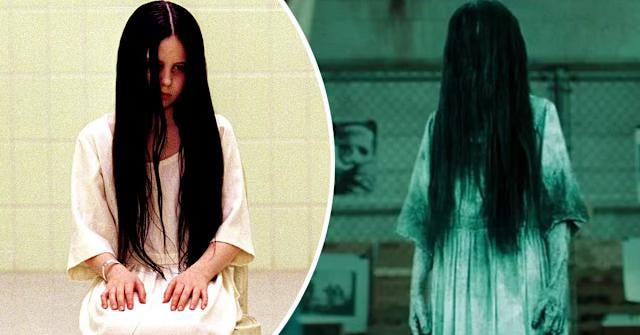
In previous articles I have mentioned my day job as a mid-level manager in retail. Once a week our resupply truck arrives which has to be unloaded, and the merchandise taken out of the shipping boxes and sorted. The process can last anywhere from 2-4 hours, and during this unboxing we often listen to music or talk amongst ourselves about any and every topic that comes to mind. Our favorite category of unboxing banter is to talk about movies or streaming series we are currently watching or those that we plan to see.
Recently we were discussing several upcoming summer movies that we might watch (Spiderman: Brand New Day, yes. Avengers: Doomsday, no, The Odyssey, maybe), including two new horror movies, The Backrooms and Passenger. This opened up an entirely different tangent as we began to chatter on about horror movies in general, and here is where an interesting generational divide became apparent. My younger Millennial and Gen Z coworkers are rabid fans of Japanese Anime, Manga and webtoons, but are not really into Japanese horror films and instead prefer the traditional American horror films. I (a Gen Xer) am not a fan of Anime or Manga, but do enjoy Japanese films and thoroughly enjoyed the J-Horror craze of the early 2000’s. While I have nothing against American horror films, I just find them formulaic and overly reliant on jump scares and shocking images to startle the audience.
However, what came out of our conversation was noteworthy in that it was emblematic of the cultural differences that exist between Eastern and Western horror films.
East vs. West
In 1998 the film “Ringu”(Ring) was released in Japan that was a perfect mix of Japanese folklore and urban legends. It told the story of a reporter who was investigating the of deaths of people who died seven days after watching a VHS tape cursed by an onryo (a vengeful spirit) named Sadako. The film was not only a huge success, it marked the beginning of a J-Horror craze of similar films which were remade quickly remade for American audiences such as Kairo (Pulse, 2001), Honogurai Mizu (Dark Water, 2002), Ju-On (The Grudge, 2002), and Chakushin Ari (One Missed Call, 2003). However, some who have seen both versions have noted that something seems to have gotten lost in the translation in terms of language and culture, as the remakes just didn’t seem nearly as scary as the originals. While this is obviously a subjective observation, there is some truth in it based on how Eastern and Western cultures have historically viewed the supernatural.
Japanese conceptions of the supernatural are by and large shaped by its Shinto and Buddhist heritage, which posits a spiritual landscape where the boundary between the spirit world and our own is very fluid. It is believed that when someone dies, their reikon or soul resides in a purgatorial state until certain funeral rites are performed to send them off to the afterlife. In the absence of those rituals, the reikons remain in our world as a restless ghost (yurei), but for those whose lives are abruptly ended through murder or suicide, they become an onryō (such as the characters of Kayako in “The Grudge” or Sadako in the “Ringu” movies). It is a worldview that sees human life and death as existing in an ambiguous and mysterious world that is “ultimately beyond human understanding,” and one where encounters with malevolent spirits or curses are similar to being around someone who is sick, and it is possible to catch it from them.
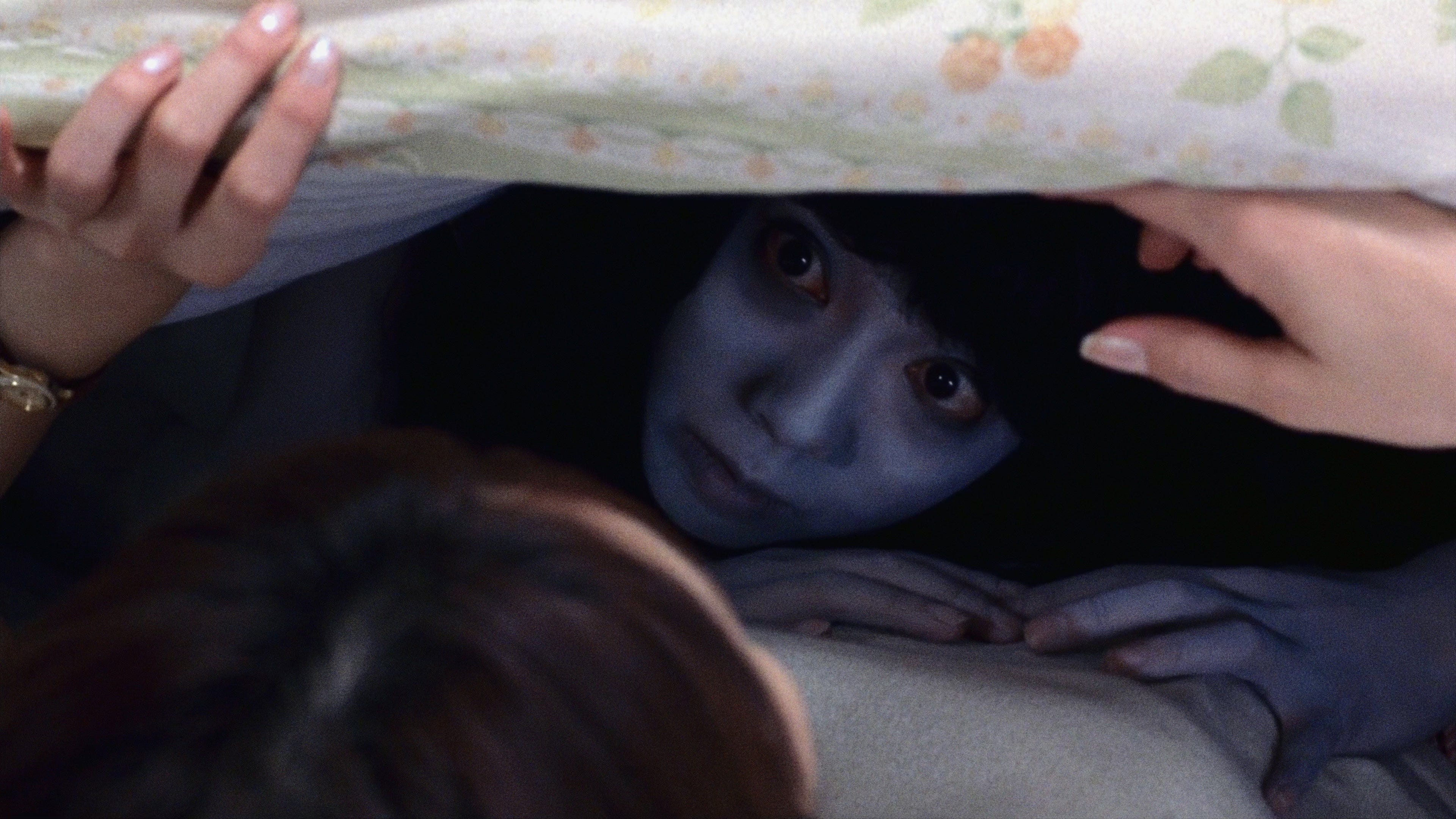
On the other hand, Western (and American) concepts of the supernatural have been shaped by its Christian heritage and has been influenced in two crucial ways. The first is a rational and inquisitive outlook on the world which began with the Greek Socratic method, continued on with Scholasticism, and then into the scientific revolution that grew out of the Enlightenment era. Unlike the ancient notion of the Tao which viewed the universe as unknowable, or the concept of maya which viewed the world as illusory, Western thought views the world as having been created by a loving and rational mind, and thus its order can be observed and eventually known. The second aspect of Western thought which shaped its view on the supernatural has to do with Christianity’s core tenet: the Incarnation and the salvific work of Christ’s death and resurrection. It is seen as a real historical event that reshaped not only our world, but also the spiritual world. It is a world that has a beginning and an end, and a telos, or end or purpose, to which it is moving towards (i.e. Judgement, Heaven, and Hell). From this we get such concepts as happy endings, of good triumphing over evil, and people getting their just deserts.
Horror vs. Terror
It is these theological and cultural differences that explain why some of the scare factor is lost when Japanese horror films are remade for Western audiences. When it came to the original J-Horror films, what many Western viewers found so unsettling about them was how the filmmakers masterfully used the Eastern sense of “uncertainty and mystery” to retell a traditional ghost story for modern audiences. They applied a “less is more” tactic by not showing or explaining everything when it comes to the haunting, which deliberately leaves viewers wondering if they are understanding the story enough to guess what will happen next. This uncertainty, combined with dark settings, little or no soundtrack, and the build-up of silent tension, creates a sense of foreboding—or even dread—in the viewer that is intended to stick with the viewer long after the movie is over.
However, when it comes to American remakes of those J-Horror films, our ingrained skeptical and Christian outlook on the supernatural can sometimes take much of the mystery and dread out of the story. Instead, American films rely on predictable cycles of action and reaction that build up tension, which is eventually released via exposure to shocking images, plot reveals, and jump scares.
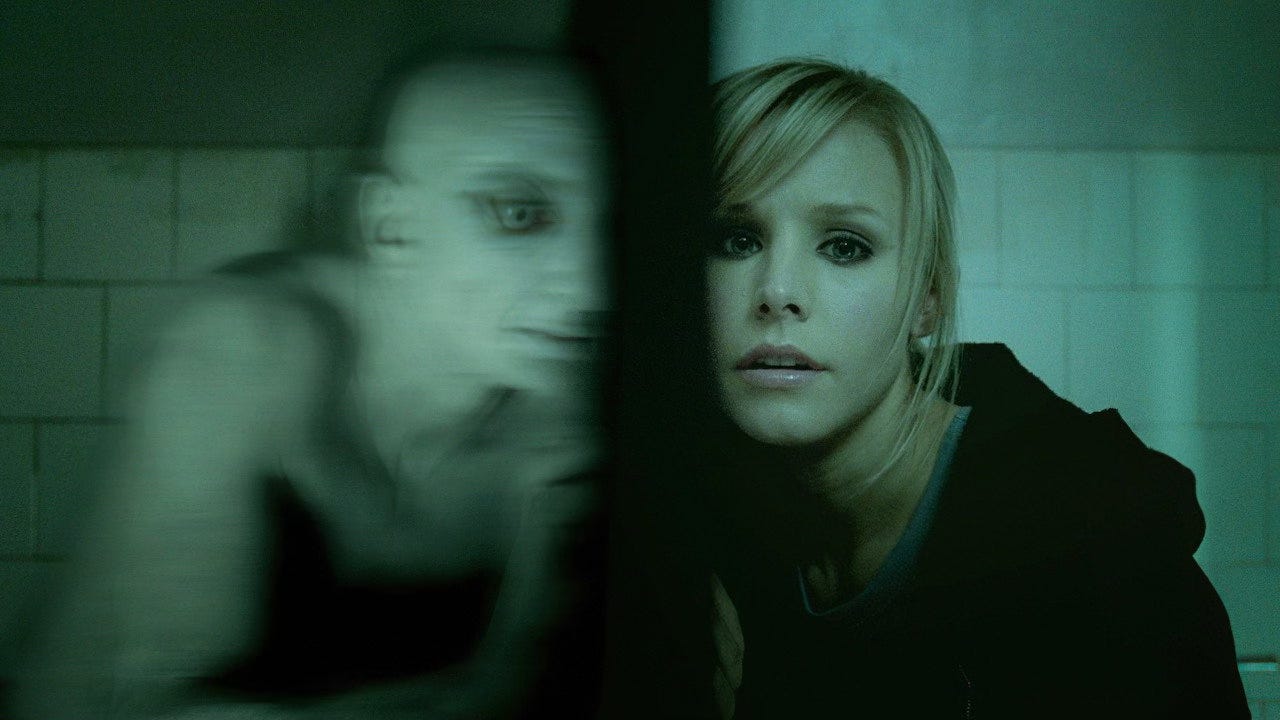
A perfect example of how this difference is played out can be seen in the movie Kairo and its 2006 American remake Pulse. The original story was meant to be a commentary on the Japanese phenomenon of hikikomori, people who are shut-ins, who fall prey to ghosts which are using the internet to enter our world and cause certain individuals to lose the will to live. In Pulse, the ghosts were turned into aliens from a parallel universe who, because of a telecommunications experiment gone wrong, are seeking to invade our world, and its message was changed to a warning against an over-reliance on technology. To be fair, both are good movies (although Pulse moves at a better pace) and both manage to keep the surprise and dour ending, but what’s clear is that Pulse removed the haunting spiritual elements in favor of a more rational and scientific explanation.
This is not to say that American/Western filmmakers are incapable of producing films that do more than just startle and scare the audience. One example is the 1999 film The Blair Witch Project which, like Ringu and other Eastern films, was a perfect mix of (American) folklore and urban legend. It utilized a “found footage” format, never showed the “witch,” and applied some clever internet marketing to imbue the story with a genuine sense of mystery. The film truly terrified audiences nationwide
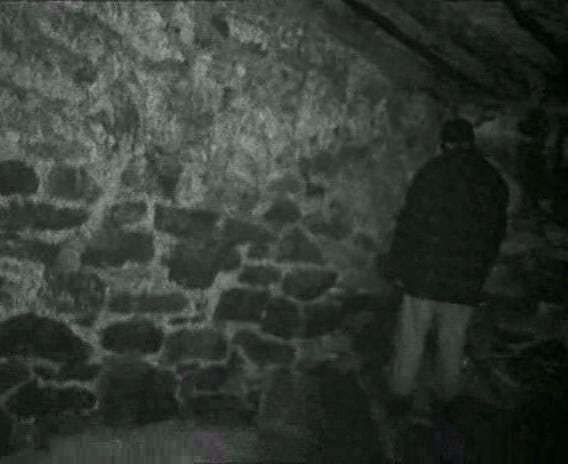
The Blair Witch Project was not a remake of J-Horror film, and perfectly blended the Eastern sense of mystery and dread with the Christian/Western sense of the demonic in a wild untamed area that existed outside of civilized space. The result was a work of cinematic art, which to this day it is still rated as one of the scariest movies ever made, and one that I challenged my younger coworkers to watch. Hopefully by the next time we unbox, they will.
Photo Credits- Pinterest, The Movie DB, Collider and NZ News at Yahoo.
I love how this essay starts with discussing horror movies from the East and West, only to conclude that The Blaire Witch Project was pretty good. I’ve watched a lot of these movies, and I could never really get too scared from them. Where would The Descent fit in? It works with claustrophobia pretty well.
I feel like horror takes more patience and credulity than most audiences are capable of. Now the super gory stuff and body horror seems popular (I.e, the Terrifier movies). Not my jam, but I’m not sure I’d still get the same shivers from Blaire Witch Project. I like to think so.
I like your point that the Blair Witch Project “blended the Eastern sense of mystery and dread with the Christian/Western sense of the demonic.” I never thought about it that way. It helps to explain the reason for its success.